


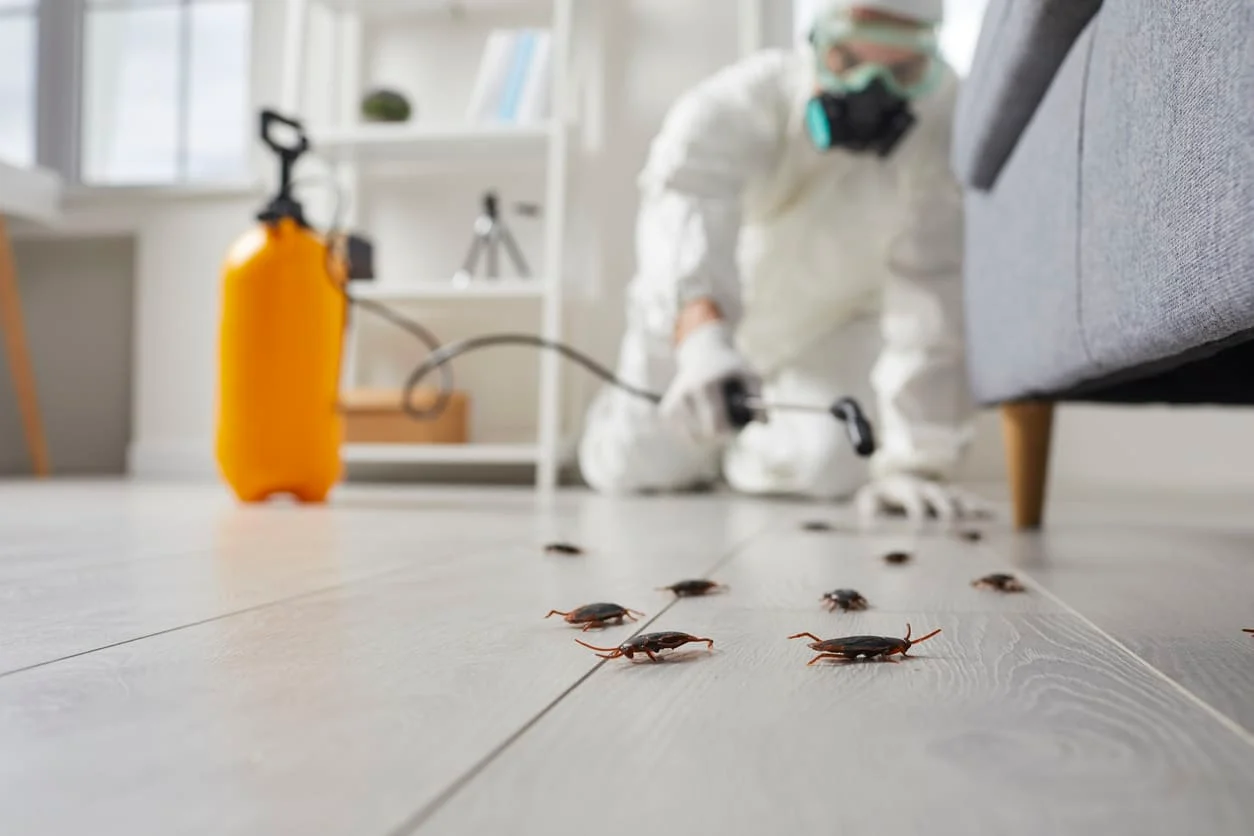
In a busy healthcare environment, even small pest sightings can be warning signs of a much larger problem. Perhaps a staff member spots a cockroach in the break room, or someone finds rodent droppings near the storage area. It’s tempting to dismiss these as isolated incidents; after all, every facility sees the occasional pest.
But in a clinical setting, where sanitation and safety are paramount, ignoring these early indicators can lead to regulatory failures, failed inspections, patient complaints and, in the worst cases, temporary closures. What starts as a seemingly minor issue can quickly escalate into a crisis that disrupts operations, undermines trust, and triggers costly remediation measures.
How Small Pest Signs Indicate Larger Hidden Problems
Seeing a single pest doesn’t mean you have a “one-off.” In fact, pests are masters of concealment. A single cockroach sighting often means many more are hiding out of sight in wall cavities, behind appliances or within ceiling voids where moisture and warmth attract them. Rodent droppings near one area typically suggest nesting or repeated movement throughout the building’s structural voids.
These signs are rarely isolated. They’re symptomatic of established colony activity and pathways that allow pests to enter and spread. Left unchecked, that hidden activity becomes far bigger and harder to control.
Pests in healthcare settings are not just nuisances; they can carry bacteria and pathogens, contaminate sterile areas, and compromise hygienic surfaces that must be kept pest-free at all times. Even one pest entering a clinical environment like a Sydney dental clinic can risk contamination of patient areas and equipment if the underlying infestation isn’t dealt with swiftly and thoroughly.
Why Healthcare Clinics Face Higher Consequences Than Other Businesses
Clinics operate under stricter hygiene standards than most other commercial environments because they provide care to vulnerable patients. A restaurant with a pest issue might face a fine or a health department notice, but a healthcare facility faces far graver consequences, including regulatory investigation, mandatory remediation, potential suspension of operations, and long-term reputational damage.
Regulators hold these facilities to exacting standards because pests can interfere with sterile conditions, introduce pathogens into patient spaces and undermine infection control protocols that protect both patients and staff.
Failing an inspection due to pest activity doesn’t just result in paperwork; it can halt services until corrective actions are completed. That means lost clinical hours, missed appointments, staff downtime and potentially closure orders from health authorities. The time and resources required to reopen safely can dwarf the cost of prevention.
The Cost of Reactive Treatment vs Preventative Management
When a pest problem goes unnoticed or unaddressed, the costs quickly add up. Reactive treatment often involves emergency callouts from external providers, deep cleaning of clinical and non-clinical areas, and re-sterilisation of equipment to ensure patient safety. There’s also lost revenue from cancelled appointments, staff overtime, and sometimes compensation or outreach to patients who may have experienced unhygienic conditions.
In contrast, scheduled pest extermination as part of a preventative maintenance plan is far more cost-effective. Regular inspections, monitoring, and treatments can catch pest activity before it becomes extensive, protecting sensitive clinical spaces and helping maintain compliance with regulatory standards.
Preventative management isn’t just about spraying chemicals; it’s about consistent oversight, early intervention and evidence-based strategies that keep pests away, as part of a broader environmental control program tailored to healthcare settings.
How a Shutdown Affects Patient Trust and Retention
Patient trust is one of the hardest things to build, and the easiest to lose. Clinics live and die by their reputation, especially in fields like dentistry, where patients expect clean, sterile environments. If a Sydney dental clinic has to temporarily close due to pest problems, it sends a message that hygiene standards weren’t prioritised. Even after remediation, many patients are reluctant to return.
In healthcare, where vulnerability is part of the experience, the idea of pests in a clinical setting, even once, can stick in the minds of patients and their families. This isn’t just hypothetical. Healthcare facilities around the world spend millions on pest control and remediation once infestations have taken hold, simply because they waited too long to act.
Even large institutions like hospitals have struggled with outbreaks of rats, cockroaches and other pests that required extensive response measures, demonstrating that no facility is immune to the consequences of lapses in pest management.
Building a Pest Management Protocol That Prevents Escalation
The clinics that never face pest shutdowns aren’t luckier; they’re better managed, with proactive strategies in place. A robust pest management protocol should include:
● Monthly monitoring in high-risk zones such as kitchens, waste areas, storage rooms and staff break rooms. These areas attract pests due to food, warmth and moisture, making regular checks essential.
● Immediate escalation procedures when early signs are detected. Staff should know who to contact and what steps to take as soon as droppings, gnaw marks, or pest sightings occur.
● Annual building inspections to assess structural entry points, such as gaps in walls, doors, utility access points and roof penetrations that allow pests in. Seal up entry points before they become conduits for infestations.
● Staff awareness programs so that everyone from reception to clinical teams understands that early pest signs are not trivial, they’re early warnings requiring action.
This kind of integrated approach, combining regular oversight, early detection, and swift responses, protects both patients and the clinic’s ability to operate without interruption.
Conclusion
Ignoring early pest signs in a clinic is more than a housekeeping oversight; it’s a risk that can lead to costly shutdowns, reputational damage, regulatory action, decreased patient trust and significant financial losses. In healthcare environments where hygiene and safety are paramount, proactive pest management is non-negotiable. Clinics that prioritise early detection, preventative treatment and ongoing monitoring maintain cleaner, safer environments that support uninterrupted care.
The difference between proactive pest management and reactive response is not just financial, it’s foundational to patient safety, clinical reputation and long-term operational success.
FAQs
What counts as an early pest sign in a clinic?
Early signs include occasional sightings of insects, droppings, gnaw marks, strange noises or unexplained odours, all of which suggest pests may be active behind the scenes.
Can a single pest sighting really indicate a big problem?
Yes. Even one cockroach or rodent dropping typically signals that others are present in hidden areas like wall voids or ceilings.
Why can pest issues lead to clinic closure?
Because pest infestations can compromise infection control, violate health codes and undermine the sanitary conditions required for patient care.
How often should pest management be performed in clinics?
Monthly monitoring and annual inspections are recommended, with immediate action taken at the first sign of pest activity.
Is pest management just about spraying chemicals?
No. Effective pest management involves prevention, monitoring, sealing entry points, sanitation, and targeted treatments as part of a comprehensive strategy.