


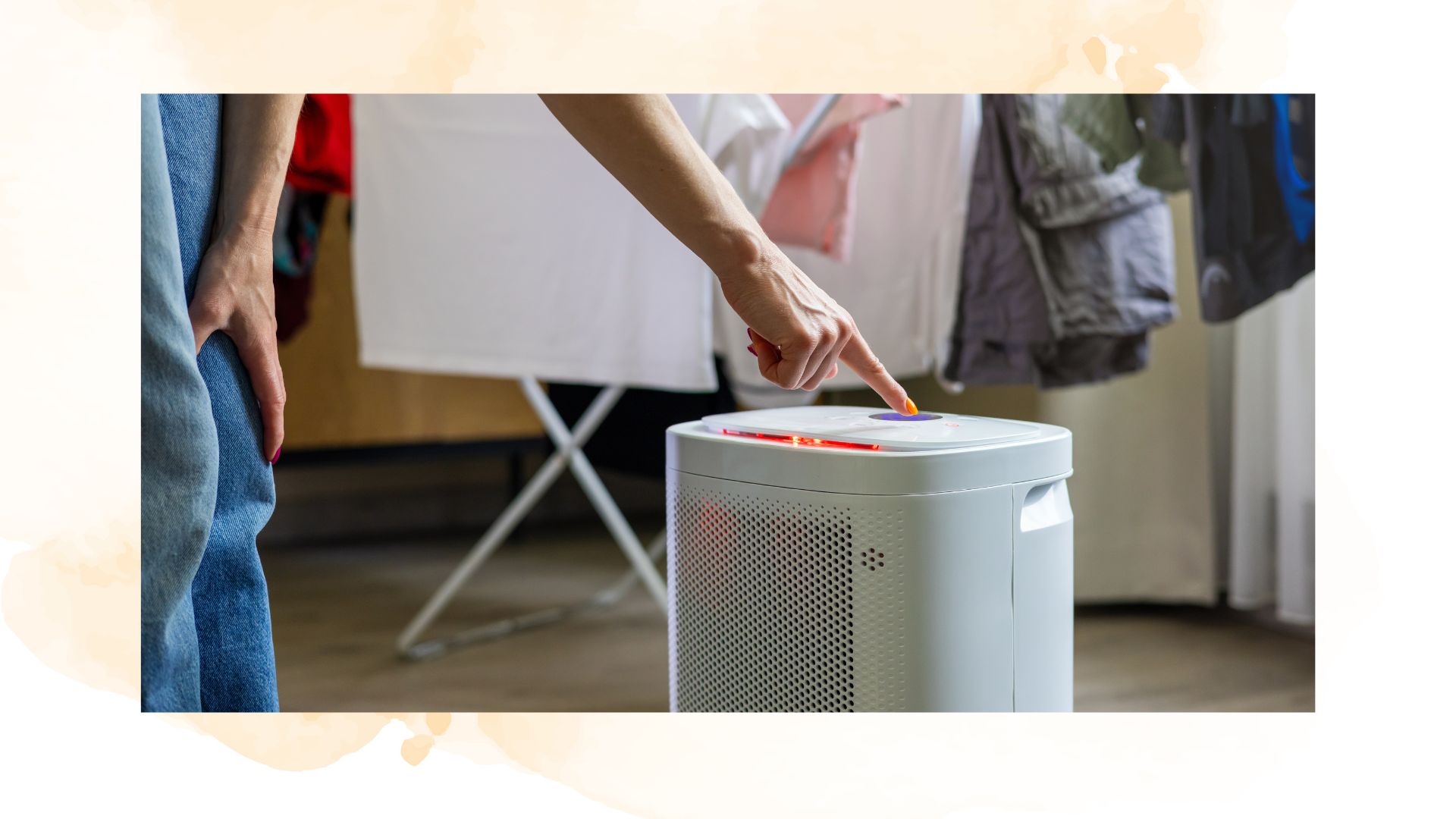
High humidity levels make your home sticky and uncomfortable. It also causes your air conditioner to work harder than it should, increasing your energy bills. Some homeowners assume that running a dehumidifier 24 hours a day will only increase those bills even further. But that isn’t necessarily true. If you know how to do it right, you can run your dehumidifier day and night and keep your energy usage under control.
Use the Built-In Humidistat
Most newer models have something called a humidistat built into the unit. This handy sensor measures the humidity level in the room. When humidity reaches the point you set on the control panel, the unit automatically shuts off. When humidity rises again, it turns back on by itself.
Most people leave this feature disabled and run their dehumidifier constantly. And that wastes a lot of energy.
Set your humidistat to 50 percent humidity. This setting is ideal for most homes according to HVAC experts. It will keep you comfortable and ward off mold while allowing the unit to cycle on and off. It will stop it from running every minute of the day.
If you have an older model without a built-in humidistat, you can pick up an affordable smart plug with humidity control abilities. Or you can buy a standalone hygrometer that will do the job. Either solution allows you to add humidity monitoring without replacing your unit.
Get the Right Size Unit
Size does matter when it comes to dehumidifiers. Too small and it will run constantly trying to catch up. Too big and it will dry out the air too quickly then turn back on in short bursts. Either way you are wasting energy.
Don’t base your decision on price alone. Instead, get a unit that matches the square footage of the room you intend to put it in. Small bedrooms are fine with a 20 to 30 pint unit. Large basements and open living spaces may require 50-70+ pint models. Check the label on your current unit to find out exactly how many pints it is.
Units that are the right size reach target humidity quicker, cycle off sooner, and use less electricity over the course of a day.
Keep the Filters Clean
Did you know a dirty filter is one of the number one hidden causes of energy inefficiency when using a dehumidifier? Dust and debris clog up the filter over time. Your unit has to work harder to draw air through it. More work equals more energy used.
Clean your filter every two to four weeks. Most units have a filter you can simply pull out and rinse under warm water. Allow it to dry completely, then reinstall it.
If you plan on using your unit 24/7 you will need to clean or replace your filter more often than someone only running their dehumidifier a few hours per day. Make it part of your regular routine. Throw some reminders on the calendar if you have to.
Place It in the Right Spot
Where you place your dehumidifier can have a big impact on performance. Against a wall? Buried in a corner? As long as air can move in and out of the unit, most people figure it’s fine.
Not exactly.
By placing it in these spots, you’re blocking airflow which forces the unit to work harder. Instead, leave at least six to twelve inches of free space on all sides of your unit. Better yet, place it in the middle of the room if possible. Or next to the biggest source of moisture. That could be near a sump pump in the basement. Perhaps near a shower in a bathroom.
Proper placement = better airflow = less work for the unit = less energy used.
Setup Continuous Drainage
Let’s say you leave your dehumidifier running all day long while you’re at work. Fast forward to nighttime and you’re sound asleep. The unit has shut off because the water tank is full. Humidity creeps back up while you sleep and you wake up to a humid room and a full water tank.
Sound familiar?
All you have to do is set up continuous drainage. There’s a port located on the back or side of most units. All you have to do is buy an inexpensive garden hose or dehumidifier drain hose and connect it to the drain port. Run the hose to your floor drain, utility sink, or outside.
Now your dehumidifier will drain itself and never have to turn off.
Buy an Energy Star Certified Model
Do you have an old junker that’s more than five years old? You might want to consider upgrading to a newer unit. Newer models are much more efficient at using electricity than older ones. Energy Star certified models use approximately 15% less energy than their non-certified counterparts.
High-efficiency models can do even better than that.
Did you know the average run all day long? So even if you leave your dehumidifier on all day, it costs much less to run than your air conditioner for even just a couple hours.
And when you lower humidity in your home, you can feel cooler at higher temperatures. Meaning you can turn your thermostat up a few degrees without any guests or family members noticing. Your AC won’t have to run as often and you can save money on cooling costs. Even if you pay a little extra for the dehumidifier, your overall energy bill can go down.
Reduce Moisture at the Source
Believe it or not, even the most efficient dehumidifier has to work twice as hard if your home is constantly producing moisture. Take steps to reduce extra moisture inside your home. Fix leaky pipes under the sink. Vent your bathroom fan all the way outdoors. Cook with lids on pots and pans. Caulk gaps around windows and doors.
It’s a team effort between your dehumidifier and your home.
Case Study: Running a Dehumidifier 24/7 Efficiently
Client: Downtown Basement Apartment – 2 Bedroom
Problem: High humidity (60–70%) was causing musty odors, window condensation, and made the AC work harder. Tenants believed running their dehumidifier continuously would increase their electric bill significantly.
Solution summary: Installed a 30 pint Energy Star certified dehumidifier(s) in living areas and basement. Set humidistat to 50% on the dehumidifier. Hooked up continuous drainage to eliminate downtime due to full tank. Added fans for increased air circulation. Made sure the unit was properly placed away from walls/furniture by at least 12″. Set a reminder to clean filters every 2 weeks.
Results:
- Humidity levels reached an ideal range of 48–50% within 2 days.
- Musty odors & mold were gone from the basement & bedrooms.
- The electricity bill did not noticeably increase since the unit cycled on/off automatically.
- Used less energy on cooling costs since AC didn’t have to run as often.
TLDR – You can run your dehumidifier 24/7 as long as it’s sized correctly for the room(s), Energy Star certified, equipped with a humidistat, has continuous drainage, and isn’t facing any major airflow restrictions.
FAQs
1. Will leaving my dehumidifier on all day increase my electric bill?
No. Programming your unit with the built-in humidistat or using a smart plug allows it to turn on and off as needed, using the least amount of energy required. Hooking up continuous drainage will also allow it to run uninterrupted instead of waiting for the bucket to empty.
2. How do I know what size dehumidifier I need for my space?
- Mini: 20–30 pint for small bedrooms
- Large Spaces: 50–70+ pint for large basement/open spaces
Selecting the proper size for your room will allow it to reach desired humidity faster, turn off sooner, and prevent it from overworking itself trying to maintain levels.
3. What should my home’s humidity be set at?
The ideal humidity for most US homes is between 40–50%. Buy a cheap hygrometer to keep an eye on indoor levels.
4. How often should I clean my dehumidifier’s filter?
If you plan on running your dehumidifier 24/7 it’s best to clean the filter every 2–4 weeks. Filters clog up over time hindering air flow which will force your unit to work harder and consume more energy.
5. How should I position my dehumidifier?
- Try to keep 6–12″ of space between walls/furniture and your unit.
- Position unit near known sources of moisture like your basement sump pump or near the bathroom.
- Placing your dehumidifier in the center of the room can also help with air flow.
6. Do I need a new dehumidifier?
Dehumidifiers made before 2013 aren’t very energy efficient. Newer models that are Energy Star certified use approximately 15% less energy and include smart features such as humidistats and automatic shutoff technology, making them perfect for running 24/7.
7. Will running my dehumidifier help lower AC costs?
Yes! Since dry air feels cooler than moist air you’ll be able to raise your thermostat by a few degrees while maintaining comfort. The less runtime your AC has, the less you’ll pay each month.
8. What are some other ways to reduce moisture in my home?
- Repair leaky pipes and seal spaces around windows.
- Vent your bathrooms & kitchen to the outdoors if possible.
- Cover your pots and pans with lids while cooking.
Try to eliminate extra sources of humidity from your home. The less your dehumidifier has to work, the less energy it will consume.
Final Words
Running your dehumidifier doesn’t mean you’ll have a higher electric bill each month. Sure there are times you can run it and waste electricity. But if you follow the tips above you can use it all day without breaking the bank.
Use the included humidistat. Keep the filter clean. Place the unit correctly. Setup continuous drainage. Upgrade to a newer, more efficient model if necessary.
Follow these tips and you’ll keep your home feeling fresher, cooler, and drier without spending an arm and a leg on electricity.