


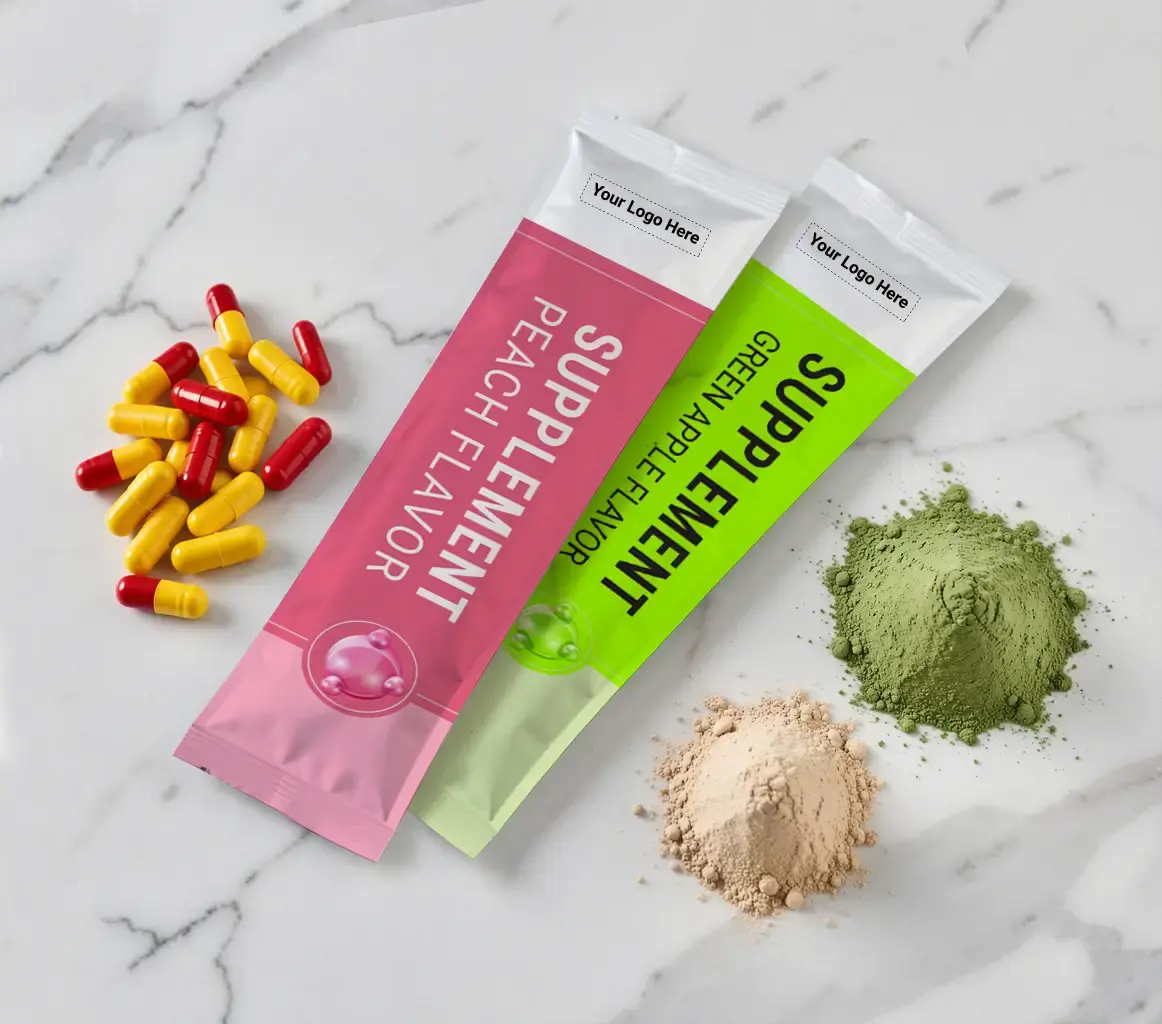
Powdered supplements are popular because they are convenient, easy to mix, and often provide larger servings of active ingredients than tablets or capsules. Protein powders, collagen, creatine, amino acids, minerals, greens blends, and herbal supplements can all be added to water, smoothies, or other drinks.
The main drawback is taste. Some powders are bitter, others leave a metallic aftertaste, and products containing marine ingredients may smell or taste slightly fishy. These flavours do not automatically mean that a supplement is poor quality. In many cases, they come directly from the ingredients used in the formula.
Understanding why these flavours occur can make it easier to choose suitable products and prepare them in a more enjoyable way. However, there is also an important difference between a normal ingredient-related flavour and a strong rancid smell that may indicate oxidation or improper storage.
Bitterness is one of the most common complaints associated with powdered supplements. Many amino acids, plant extracts, and concentrated nutrients naturally activate the bitter taste receptors on the tongue.
Branched-chain amino acids, including leucine, isoleucine, and valine, are particularly well known for their bitterness. Arginine and some protein peptides can also produce a strong or lingering taste. The flavour is often more noticeable in products containing high concentrations of active ingredients and relatively few sweeteners or fillers.
Plant-based supplements can be equally challenging. Greens powders, herbal blends, and adaptogenic products may contain polyphenols, alkaloids, flavonoids, and other naturally bitter compounds. These substances are part of the plants themselves, so their presence is not necessarily a manufacturing problem.
Creatine is another supplement that can have a noticeable taste, especially when it is mixed only with water. People who ask why creatine tastes bad are usually noticing the natural properties of the raw ingredient, the texture of undissolved particles, or the flavourings used in a particular formula. Pure creatine monohydrate is generally mild, but it can taste slightly bitter, chalky, or gritty depending on the product and how well it dissolves.
A stronger taste does not always mean a product is more effective. It may simply contain ingredients that are difficult to flavour. Likewise, a pleasant-tasting supplement is not necessarily less potent. The final taste depends on the raw materials, concentration, sweeteners, flavouring system, and manufacturing process.
Metallic flavours are most often caused by minerals. Iron, zinc, magnesium, copper, chromium, and manganese all have distinctive tastes that can become more obvious when they are dissolved in liquid.
Iron is one of the clearest examples. When iron compounds interact with saliva, they can create a strong metallic sensation that remains after the supplement has been swallowed. Zinc may produce a metallic or slightly chalky aftertaste, while different forms of magnesium can taste bitter, salty, or mineral-like.
The specific form of a mineral affects both absorption and taste. Magnesium citrate, magnesium chloride, and magnesium glycinate, for example, can have noticeably different flavour profiles even though they all supply magnesium.
Some highly soluble mineral compounds release their flavour quickly because they make immediate contact with taste receptors. This can make them more difficult to mask than ingredients that dissolve more slowly.
Individual sensitivity also plays a role. One person may find a mineral powder almost tasteless, while someone else notices a strong metallic flavour. Hydration, oral health, medications, illness, and natural differences in taste perception can all influence the experience.
Fishy flavours are most commonly associated with marine-derived ingredients. Fish oil powders, krill oil, marine collagen, algae-based omega-3 products, and some protein hydrolysates can retain a mild ocean-like aroma even after purification.
A light marine smell may be normal, particularly in minimally flavoured products. A strong rancid odour, sharp aftertaste, or noticeable change from the product’s usual smell should be treated differently. Omega-3 fatty acids are sensitive to heat, oxygen, and light. When they oxidise, they can develop an increasingly unpleasant fishy or rancid flavour.
Manufacturers use several methods to reduce this risk. These may include adding antioxidants, using oxygen-resistant packaging, flushing containers with nitrogen, and applying microencapsulation to protect sensitive ingredients.
Storage is equally important after purchase. Powdered supplements should generally be kept tightly sealed in a cool, dry place and protected from direct sunlight. Some products may require refrigeration after opening, so the label instructions should always be followed.
Choline can also be associated with a fish-like smell because it may be converted into trimethylamine during digestion. This is different from a product becoming rancid, but it is one reason certain choline supplements can have a distinctive aroma or aftertaste.
Supplement companies use flavour systems to make difficult ingredients more pleasant. Cocoa, vanilla, coffee, berries, citrus fruits, cinnamon, and other natural flavours are often chosen because they can balance bitter or metallic notes.
Sweeteners such as stevia, monk fruit, erythritol, or small amounts of sugar may also help, although each can introduce its own aftertaste. This is why a flavouring system that works well for one ingredient may not work for another.
Microencapsulation is another useful technique. It surrounds difficult ingredients with a protective coating that delays the release of their flavour until after swallowing or digestion. This approach is commonly used for fish oils, minerals, probiotics, and some amino acids.
Consumers can also improve the taste of powdered supplements at home. Cold liquids usually make bitter flavours less noticeable than warm water. Mixing a powder into a smoothie, yoghurt, milk, or a plant-based drink can provide stronger flavour masking than water alone.
Banana, berries, cocoa, coffee, peanut butter, and citrus flavours can all work well, depending on the supplement. A berry or citrus drink may help disguise mineral flavours, while cocoa or coffee can be more effective with protein powders and certain herbal blends.
Using a shaker bottle or blender can improve texture and prevent pockets of undissolved powder. Drinking the mixture soon after preparation may also help, as some products become stronger in flavour or aroma when left standing.
It is important not to change how a supplement is prepared without checking its instructions. Some products should not be mixed with hot liquids, acidic drinks, or certain foods. Anyone taking medication or managing a health condition should also ask a healthcare professional whether a particular supplement is suitable.
Taste can offer useful clues, but it should not be used as the only measure of quality. A bitter or metallic flavour may be completely normal, while a sudden change in smell, colour, texture, or taste may justify checking the expiration date or contacting the manufacturer.
The best approach is to choose products from reputable companies, follow the storage instructions, and select a format that is realistic to use consistently. With the right preparation method, even naturally bitter, metallic, or marine-flavoured powders can become much easier to include in a daily routine.