


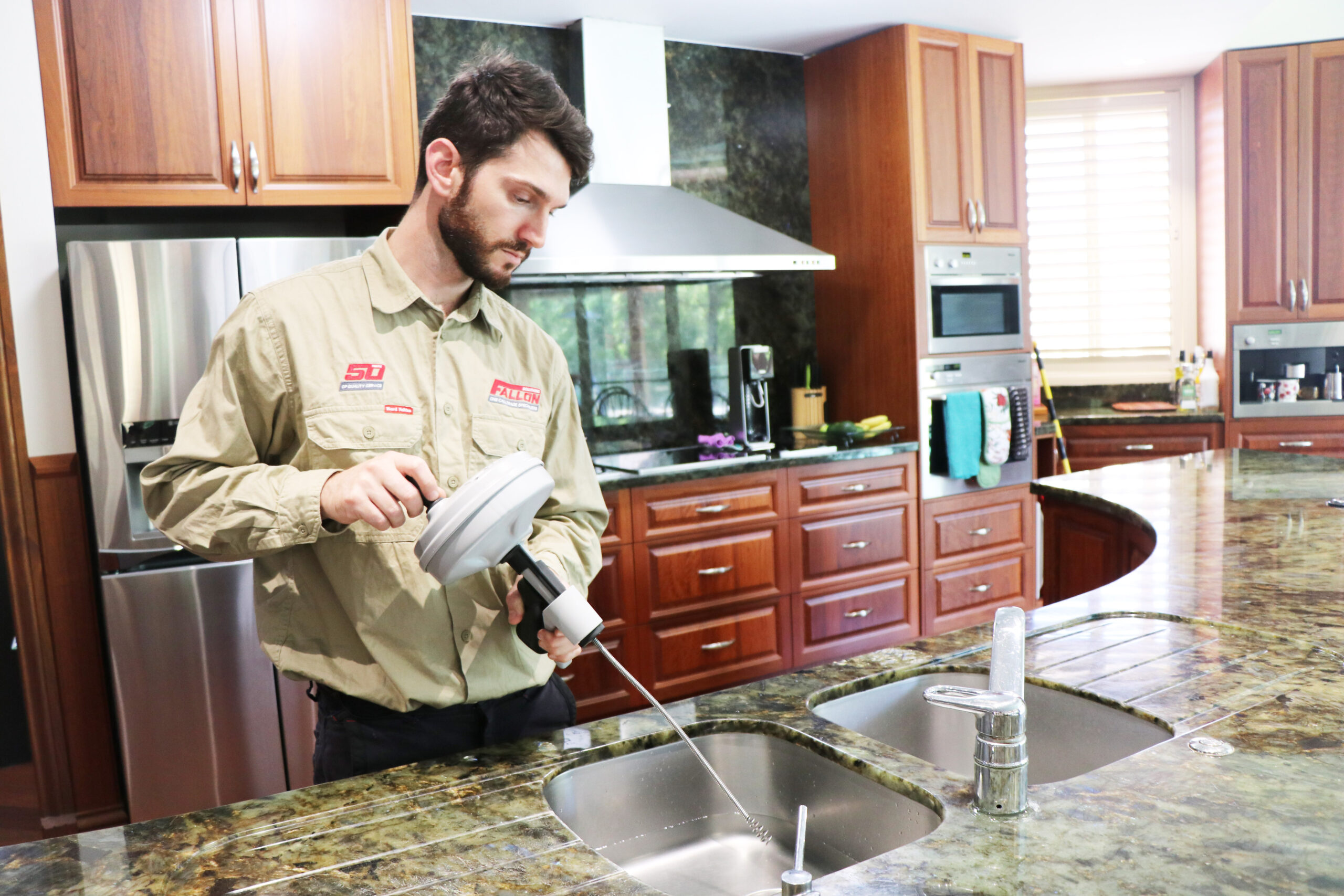
Home renovations are meant to improve comfort, functionality, and aesthetics, but many homeowners notice an unexpected problem shortly after their kitchen upgrade. New benchtops are installed, everything looks flawless, and within weeks, the kitchen sink begins draining slowly or backing up entirely. At first glance, the issue seems unrelated to the renovation work. After all, benchtops sit above the plumbing, not inside it.
However, plumbers frequently see a direct connection between recent benchtop installations and newly formed drain blockages. The disruption caused during renovations, combined with subtle changes to pipe layouts and everyday kitchen use, creates the perfect conditions for drainage problems to develop quietly and worsen over time.
How Renovation Debris Ends Up in Your Drains
During benchtop installations, kitchens become temporary construction zones. Stone cutting, adhesive application, sealing, and sink removal all generate fine debris that doesn’t always stay where it should.
Dust from stone, dried silicone residue, grout particles, and even small offcuts can easily fall into exposed sink pipes while plumbing fixtures are disconnected. In many cases, installers rinse tools, hands, or surfaces in the sink before the plumbing is fully secured, unknowingly flushing debris straight into the drain system.
Even tiny amounts of construction material can create long-term problems. Unlike food waste, these materials don’t break down. Instead, they settle inside bends and joints in the pipes, gradually collecting grease, soap residue, and organic matter. What starts as a minor obstruction can quickly grow into a stubborn blockage that restricts water flow and leads to backups weeks after the renovation appears complete.
The Role of Sink Reconfiguration
When homeowners upgrade their kitchens, especially when choosing premium options like marble benchtops Sydney suppliers provide, the sink configuration often changes as part of the design update. The sink may be repositioned for better workflow, replaced with a deeper basin, or upgraded to an undermount style. While these changes improve functionality and appearance, they often require pipe rerouting beneath the cabinet.
Small misalignments during this process can have big consequences. Pipes that are slightly angled the wrong way or lack adequate fall can cause water to slow down instead of flowing freely. Debris, food scraps, and grease then settle rather than wash away.
Over time, this buildup hardens and restricts the pipe further. These installation-related issues are rarely noticeable right away, which is why many homeowners are surprised when drainage problems appear weeks or even months after the benchtop upgrade.
Signs the Problem Is Getting Worse
Blocked drains caused by renovation debris rarely fail all at once. Instead, they develop gradually, giving off warning signs that are easy to overlook. Slow-draining water is usually the first indicator, especially after washing dishes or running the dishwasher. Gurgling sounds from the sink suggest trapped air caused by restricted water flow deeper in the pipes.
As the blockage worsens, unpleasant odours may start rising from the drain, caused by food particles and grease trapped behind construction debris. In more advanced cases, water may pool inside the cabinet beneath the sink or leak from pipe joints under pressure. Ignoring these early signs often leads to complete blockages at the most inconvenient times, such as during heavy kitchen use or gatherings.
Why Chemical Drain Cleaners Don’t Fix Installation-Related Blockages
When faced with a slow drain, many homeowners reach for store-bought chemical cleaners. While these products can sometimes dissolve organic buildup like grease or hair, they are ineffective against the real causes of post-renovation blockages. Construction debris such as stone dust, hardened adhesive, and silicone residue does not dissolve with chemicals.
Worse still, repeated use of chemical cleaners can damage newly installed plumbing and seals, particularly in modern kitchens with PVC pipes. These harsh substances may weaken joints or corrode internal surfaces, increasing the risk of leaks. Instead of fixing the underlying issue, chemical cleaners often provide a temporary improvement while allowing the blockage to continue growing out of sight.
When to Call a Professional
If drainage problems appear after a benchtop installation, professional intervention is usually the safest and most effective solution. A qualified blocked drain plumber has the tools and experience to identify the exact cause of the issue without damaging your new kitchen. Using camera inspections, plumbers can see inside the pipes to locate debris, misaligned joints, or buildup caused during installation.
Once identified, methods such as hydro jetting can safely clear the blockage by flushing the pipes with high-pressure water. This approach removes construction debris and buildup completely rather than pushing it further down the system. Professional plumbers can also assess whether the pipe layout needs adjustment to prevent future problems, ensuring your renovation investment remains protected.
Conclusion
Blocked drains following benchtop installations are far more common than most homeowners realise. Renovation debris, sink reconfiguration, and minor plumbing misalignments all contribute to drainage issues that develop gradually after the work is complete. Preventive steps, such as covering open pipes during installation and thoroughly flushing lines afterwards, can reduce the risk, but early warning signs should never be ignored. If anything feels off, seeking professional help early can prevent costly repairs and protect both your plumbing and your newly installed benchtops.
FAQs
Can a benchtop installation really cause drain blockages?
Yes. During installation, debris can enter open pipes, and sink repositioning can alter pipe flow, both of which increase the risk of blockages.
How soon after installation do drain issues appear?
Problems may start within days or take several weeks to become noticeable, depending on how quickly debris accumulates.
Is it safe to use chemical cleaners after a renovation?
Chemical cleaners are not recommended, as they don’t remove construction debris and may damage new plumbing.
What’s the best way to prevent post-renovation blockages?
Cover open drains during work, avoid rinsing debris into sinks, and consider a professional inspection if drainage slows.