


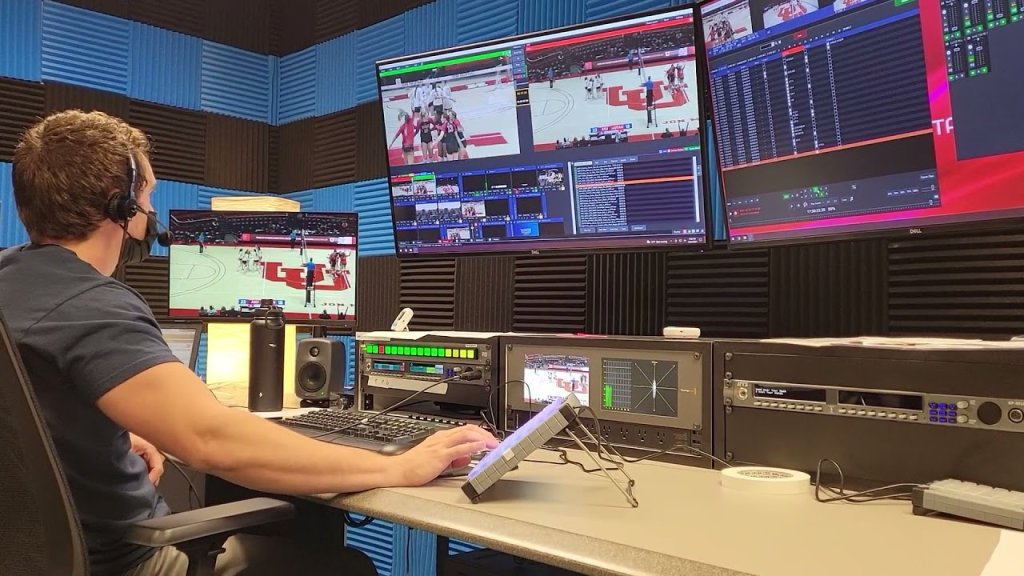
Production has come a long way from basic streaming systems. Presently, production involves several inputs such as multiple cameras, instant replay, guest segments, graphics, and high-resolution recording all at once. With increasing complexities in production processes, the lack of appropriate hardware becomes the major challenge in delivering a professional broadcast experience.
Many business owners, production houses, and content creators often concern themselves with the functionalities provided by the software while neglecting the importance of having adequate hardware. Actually, vMix delivers its best results only when there is an appropriate balance among the components used. It therefore becomes necessary to select the right hardware components.
1. Why Hardware Matters for vMix Live Production
Every live production places different demands on computer hardware. A basic HD broadcast using a few cameras is more resource-friendly than a production that uses many cameras recording in 4K resolution along with replay features, graphics, and remote participants. Knowledge of the difference between the two would enable organizations to purchase appropriate equipment according to their requirements.
Moreover, quality hardware prevents surprise problems from happening. Lagging transitions, dropped frames, delayed graphics, and failed encoding usually happen because a part of the system cannot manage the load imposed upon it. Having a balanced workstation solves a lot of production problems.
Planning hardware around production goals also improves scalability. As organizations expand their broadcasts, properly selected components allow systems to support additional cameras, higher resolutions, and more complex productions without requiring a complete rebuild.
2. Graphics Processing Power in Modern Live Productions
When assessing the vMix Topaz Edition workstations, professionals usually emphasize the GPU’s performance since graphics processing is responsible for a large portion of rendering within the vMix application. Video transitions, overlays, multiviews, and hardware encoding require efficient performance from the NVIDIA GPU card.
The contemporary RTX series of graphics processors is built with built-in NVENC encoders, allowing for multitasking of streaming, recording, and processing of videos without stressing the CPU.
Integrated graphics solutions typically struggle with demanding live production environments. A dedicated GPU provides the performance required to maintain smooth playback, responsive switching, and consistent broadcast quality throughout an event.
3. CPU and Memory Keep Broadcasts Stable
While most of the rendering is done by the GPU, the CPU is responsible for controlling system functions, handling background processes, and streaming. Very fast clocks are generally better than an immense number of cores since live shows need real-time performance as opposed to batched rendering.
The memory size is equally important. While small shows will work well on a 16GB setup, large shows with multiple camera inputs, graphics software, and even guests from afar might need either 32GB or 64GB of RAM for smooth performance.
With a balanced CPU and memory, operators can switch between inputs, run graphics, and control other show aspects without any lag.
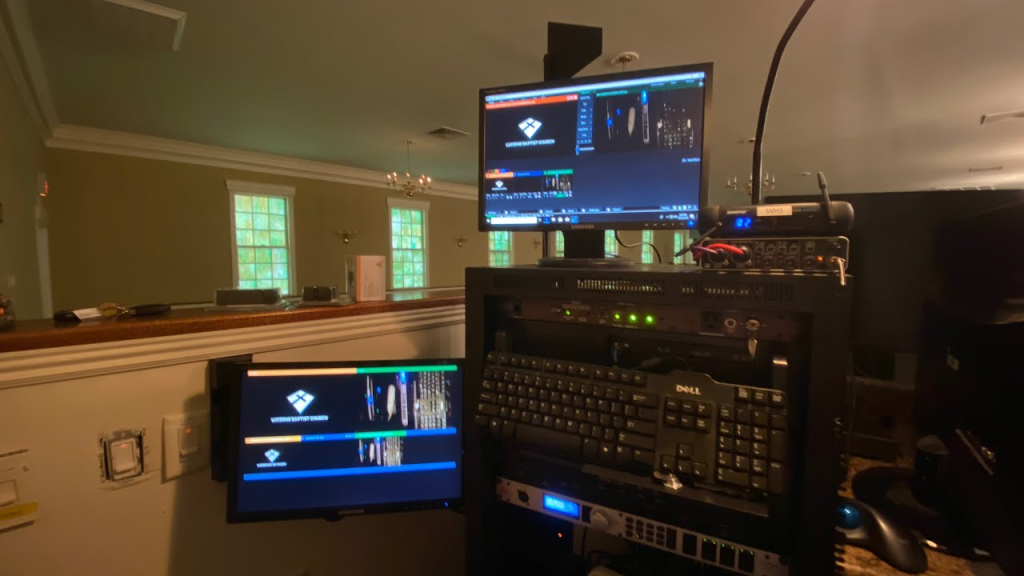
4. Fast Storage Prevents Recording Bottlenecks
Recording live productions generates continuous streams of data that require high sustained write speeds. Traditional hard drives often struggle with this workload, increasing the likelihood of dropped frames and interrupted recordings.
NVMe solid-state drives provide significantly faster read and write performance than older storage technologies. Many professional systems separate the operating system from recording storage by using dedicated NVMe drives for media capture and playback.
This storage configuration improves reliability while reducing competition for disk resources. Faster storage also accelerates project loading, media imports, and replay operations during fast-paced live productions.
5. Capture Hardware and Networking: Improve Performance
vMix Ruby Edition systems that organizations use are often equipped with good-quality capture cards and dependable network facilities. Good capture cards will provide low-latency video inputs while keeping all cameras in sync.
Network-based production has also become increasingly common. NDI technology enables cameras and production devices to transmit video over Ethernet, reducing cable complexity while supporting flexible production environments. Stable networking becomes essential when multiple sources operate simultaneously.
Choosing dependable capture devices and properly configured networking hardware improves production reliability. Together, these components create a workflow capable of supporting demanding broadcasts without compromising video quality.
6. Matching Hardware to Production Requirements
Every production environment has different technical requirements. Smaller companies that host webinars and corporate events might have lower hardware needs, whereas broadcasting companies hosting bigger events would have higher hardware needs, like workstations that can handle heavy loads.
Hardware selection that is based on the needs of the company saves costs while ensuring high performance. Good systems allow future scalability without the need for constant upgrading as the needs grow.
Proper analysis of present needs and future growth allows companies to purchase good hardware that will have a long-lasting impact on live production.
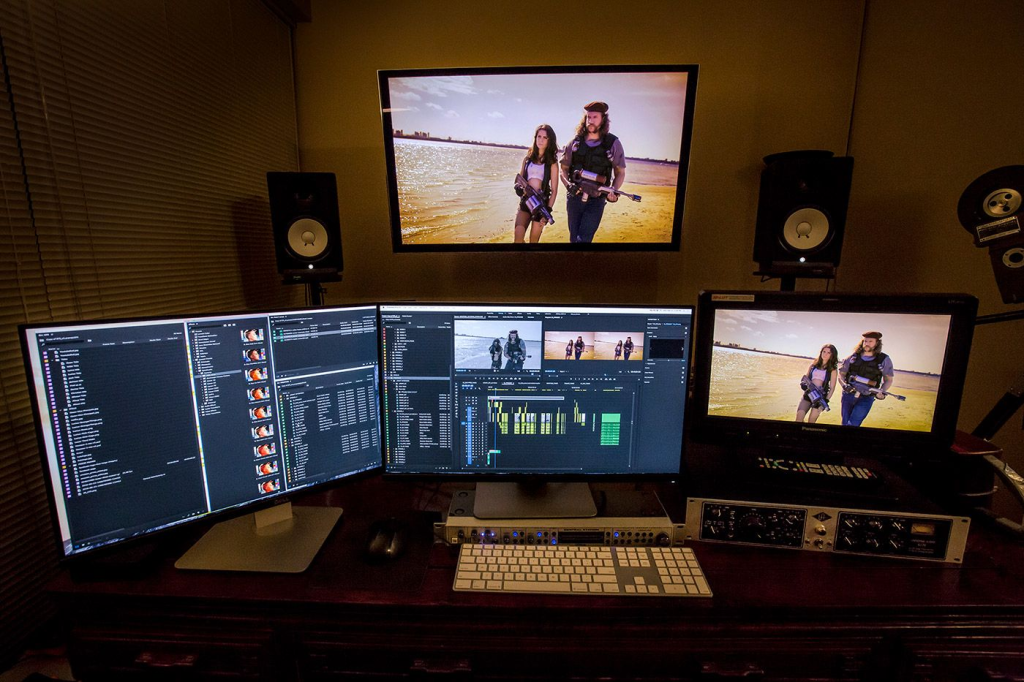
Building Reliable Systems for Professional Broadcasts
Companies such as Puget Systems and BOXX Technologies provide capable workstations for professional media production. Their systems offer strong performance across a range of creative applications and can support demanding broadcast environments.
On the other hand, Cloud Ninjas specializes in building customized computer setups tailored to professional workstations, including production stations running vMix software.
As the intricacy of live production increases, the importance of knowing the actual hardware requirements becomes increasingly relevant. Organizations that build properly balanced, high-performing systems will be able to provide reliable broadcasts and accommodate the growing needs of production.