


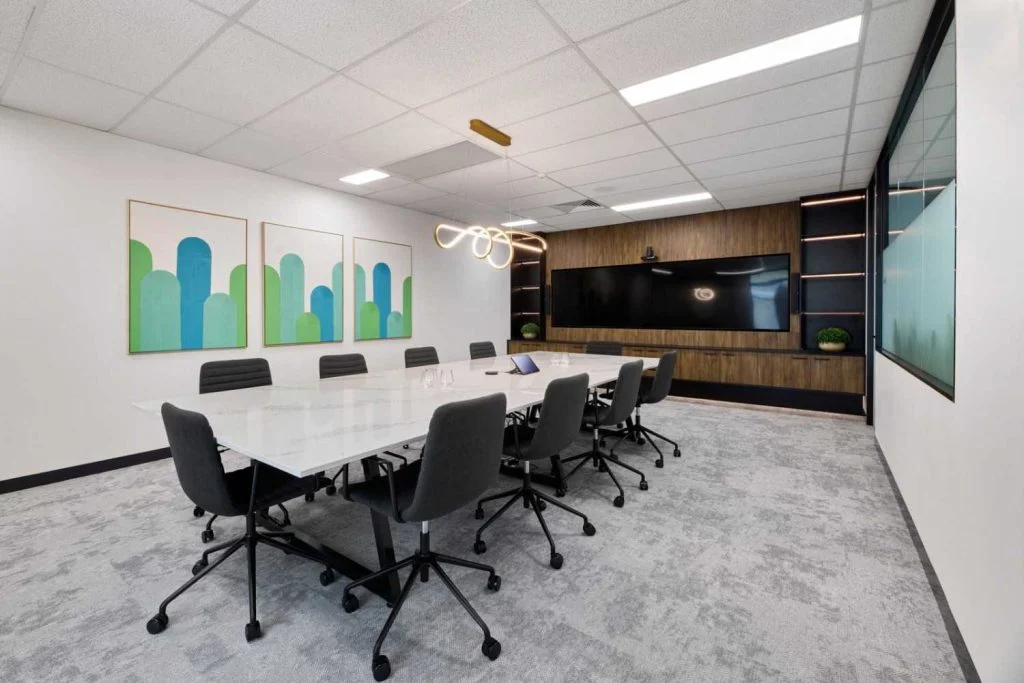
As businesses grow and workplace needs evolve, many Melbourne organisations begin considering whether it’s time to relocate to a new office. While moving may seem like the obvious solution, relocation is not always the most practical or cost-effective choice. In many cases, refurbishing an existing workspace through a professional office fit out can achieve the same goals while reducing disruption and preserving business continuity.
Before committing to a new lease, it’s worth assessing whether your current workplace still has the potential to support your team through thoughtful redesign and modernisation.
When Does Relocation Make Sense?
Office relocation may be the right option when a business has genuinely outgrown its existing premises or requires access to a new location closer to customers, suppliers, or employees.
Businesses may also relocate when:
- Current premises cannot be expanded.
- The building no longer meets operational requirements.
- Lease conditions are no longer suitable.
- The location no longer aligns with business strategy.
- Significant infrastructure limitations cannot be resolved.
However, many organisations discover that their existing office still has considerable untapped potential.
A Fit Out Can Transform Existing Space
Modern workplaces are designed very differently from offices built even ten years ago.
Professional office fit out specialists who can refurbish without relocation can redesign underutilised areas to create more efficient layouts, improve collaboration, maximise natural light, introduce flexible workspaces, and better support hybrid working arrangements.
Rather than increasing office size, many businesses simply use their existing floor space more effectively.
Lower Business Disruption
Relocating an office often involves significant operational disruption. Packing equipment, moving IT infrastructure, updating addresses, coordinating suppliers, and setting up a new workspace can temporarily reduce productivity.
An office fit out is often completed in carefully planned stages, allowing businesses to continue operating throughout much of the refurbishment process.
This helps minimise downtime while maintaining continuity for employees and clients.
Cost Considerations
Moving offices involves more than paying for a new lease.
Businesses may also need to budget for:
- Moving services
- New furniture
- IT relocation
- Signage updates
- New utility connections
- Lease exit costs
- Staff downtime
- New office setup expenses
Refurbishing an existing office can often provide better value when the current location still meets long-term business needs.
Supporting Hybrid Work
Hybrid work has changed how businesses use office space.
Many organisations no longer require large numbers of permanently assigned desks. Instead, flexible meeting rooms, collaborative work zones, breakout areas, quiet focus spaces, and shared workstations have become increasingly important.
A well-planned fit out allows businesses to redesign offices around modern work patterns without relocating.
Employee Experience Matters
Today’s employees expect workplaces that support comfort, wellbeing, and productivity.
Modern office fit outs may include:
- Ergonomic workstations
- Improved lighting
- Better acoustic performance
- Collaborative spaces
- Wellness areas
- Modern kitchen facilities
- Technology-enabled meeting rooms
These improvements can contribute to stronger employee satisfaction while helping businesses attract and retain talented staff.
Brand Image Can Be Refreshed
An outdated office may no longer reflect a company’s identity or values.
A refurbishment provides an opportunity to update branding, finishes, reception areas, meeting rooms, and client-facing spaces while reinforcing company culture throughout the workplace.
A refreshed office often creates stronger first impressions for visitors, clients, and potential employees.
Sustainability Benefits
Refurbishing an existing office may also reduce environmental impact compared with relocating.
Many businesses now incorporate:
- Energy-efficient lighting
- Sustainable materials
- Improved insulation
- Modern HVAC systems
- Recycled finishes
- Flexible furniture solutions
These upgrades can improve operational efficiency while supporting broader sustainability goals.
Planning Before Making A Decision
Before deciding whether to relocate or refurbish, businesses should assess:
- Current space utilisation
- Future workforce growth
- Lease flexibility
- Building condition
- Technology requirements
- Employee needs
- Budget availability
- Long-term business strategy
A workplace assessment often reveals opportunities that make refurbishment a more practical solution than moving.
Helpful Related Workplace Planning Research
Business owners may also benefit from exploring hybrid workplace design strategies and commercial office refurbishment planning to better understand how modern workplaces can improve productivity, employee wellbeing, and long-term operational efficiency.
Final Thoughts
Relocating an office is not always the only—or the best—solution when workplace needs change. In many cases, a professionally planned office fit out can transform an existing workspace into a modern, efficient, and flexible environment without the costs and disruption associated with moving.
By working with office fit out specialists who can refurbish without relocation, businesses can maximise their current premises, improve employee experience, and create a workplace that supports future growth while maintaining business continuity.