


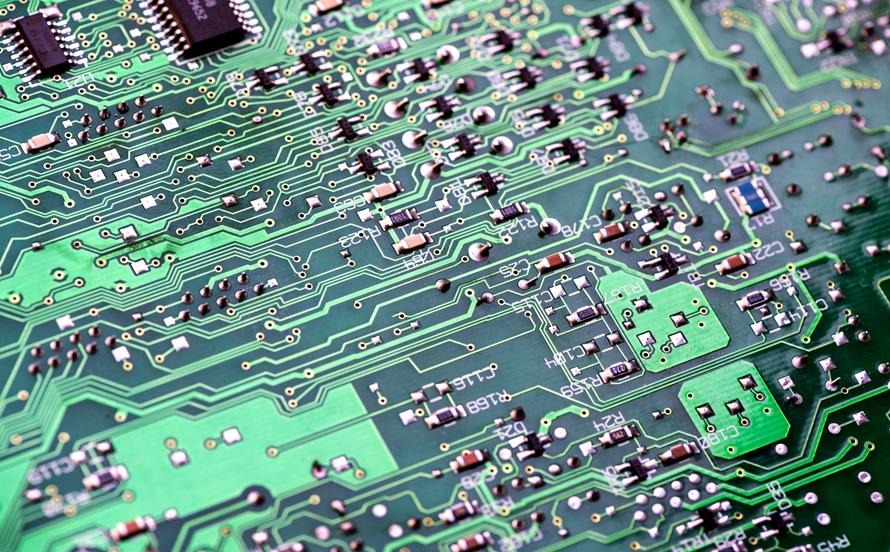
The rapid advancement of modern electronics has created an increasing demand for circuit boards that can withstand high temperatures, dissipate heat efficiently, and deliver reliable electrical performance under challenging operating conditions. Industries such as automotive, aerospace, medical technology, industrial automation, renewable energy, and telecommunications require circuit boards that go beyond the capabilities of conventional FR-4 substrates. One of the most widely used solutions for these demanding applications is the Alumina PCB.
An alumina PCB is a ceramic-based printed circuit board manufactured using aluminum oxide (Al₂O₃) as the substrate material. Known for its excellent thermal conductivity, superior electrical insulation, high mechanical strength, and outstanding chemical stability, alumina has become one of the most trusted ceramic materials in the electronics industry. Its ability to operate reliably in harsh environments makes it an ideal choice for power electronics, RF circuits, LED modules, and high-performance semiconductor applications.
Producing ceramic circuit boards requires specialized expertise, advanced manufacturing technologies, and strict quality control. For this reason, many companies work with an experienced Alumina PCB manufacturer capable of delivering precision-engineered products that meet demanding industry standards. Choosing the right manufacturing partner not only improves product reliability but also supports long-term performance and cost-effective production.
This article explores alumina PCB technology, its manufacturing process, advantages, applications, and why selecting a trusted manufacturer is critical for modern electronic systems.
What Is an Alumina PCB?
An Alumina PCB is a ceramic printed circuit board that uses aluminum oxide as its base substrate instead of traditional fiberglass materials such as FR-4. Aluminum oxide is one of the most widely used advanced ceramic materials because it provides an excellent combination of electrical insulation, thermal management, mechanical durability, and chemical resistance.
Unlike conventional PCBs, which primarily rely on fiberglass laminates, alumina PCBs are designed for applications that generate significant heat or require exceptional stability under harsh operating conditions. Their ceramic substrate efficiently transfers heat away from electronic components while maintaining stable electrical properties across a wide temperature range.
Alumina substrates are available in different purity levels, with higher-purity materials offering improved thermal conductivity and mechanical performance. Depending on the application, alumina PCBs can be manufactured as single-sided, double-sided, multilayer, or hybrid ceramic circuit boards.
Because of their excellent balance between performance and manufacturing cost, alumina PCBs have become one of the most widely adopted ceramic PCB technologies in the global electronics industry.
Why Alumina Is Widely Used in PCB Manufacturing
Electronic devices continue to become smaller while handling greater amounts of power and processing increasingly complex signals. These conditions generate substantial heat that must be efficiently managed to maintain long-term reliability.
Traditional PCB materials have relatively low thermal conductivity, making them less suitable for high-power applications. Alumina provides a much more efficient pathway for heat dissipation, helping electronic components operate at lower temperatures and improving overall system reliability.
Another reason alumina is widely used is its outstanding electrical insulation. Even while efficiently conducting heat, alumina maintains excellent dielectric properties that prevent electrical leakage between conductive circuits.
Mechanical strength also contributes to its popularity. Alumina exhibits high hardness and dimensional stability, allowing it to maintain its structural integrity under mechanical stress and repeated thermal cycling.
Its resistance to moisture, corrosion, oxidation, and chemical exposure further enhances product durability, making alumina PCBs suitable for challenging industrial environments.
The Alumina PCB Manufacturing Process
Manufacturing alumina PCBs requires specialized ceramic processing techniques that differ significantly from traditional PCB fabrication. The process begins by selecting an alumina substrate with the appropriate purity level and physical properties for the intended application.
The ceramic substrate is carefully prepared before conductive copper or metal circuitry is formed on its surface using specialized metallization technologies. Depending on the design requirements, manufacturers may utilize thick-film printing, thin-film deposition, Direct Bonded Copper (DBC), or Direct Plated Copper (DPC) processes.
Photolithography and chemical etching define the circuit patterns with high precision, while laser machining and precision drilling create mounting holes, slots, and other mechanical features.
Following circuit formation, protective surface finishes are applied to improve solderability and corrosion resistance. The completed boards then undergo comprehensive inspection, electrical testing, dimensional verification, and reliability evaluation before shipment.
Because ceramic materials require precise handling throughout production, manufacturers maintain strict process control to ensure consistent quality and long-term reliability.
Advantages of Alumina PCB Technology
One of the most important advantages of alumina PCBs is their excellent thermal performance. Aluminum oxide efficiently transfers heat away from electronic components, reducing operating temperatures and extending product lifespan.
Superior electrical insulation represents another significant benefit. Alumina maintains high dielectric strength while supporting high-voltage applications, making it suitable for power electronics and industrial equipment.
Mechanical stability further enhances reliability. Alumina resists deformation under temperature changes and mechanical stress, reducing the likelihood of solder joint failures or dimensional changes during operation.
Chemical resistance is another valuable characteristic. Alumina substrates perform reliably in environments exposed to moisture, corrosive chemicals, ultraviolet radiation, and high temperatures.
Compared with many other advanced ceramic materials, alumina also offers a cost-effective balance between performance and manufacturing expense, making it suitable for a broad range of commercial and industrial applications.
These combined advantages enable alumina PCBs to deliver long-term reliability in demanding electronic systems.
Applications of Alumina PCBs
Alumina PCBs are used in numerous industries where thermal management and electrical reliability are critical. LED lighting systems are among the most common applications because high-power LEDs generate substantial heat during continuous operation. Alumina substrates help maintain stable operating temperatures while improving lighting efficiency and service life.
Power electronics also rely heavily on alumina PCBs. Motor drives, power converters, inverters, industrial power supplies, and renewable energy systems require efficient heat dissipation to protect high-power semiconductor devices.
Medical equipment manufacturers utilize alumina PCBs in imaging systems, diagnostic instruments, laser devices, surgical equipment, and laboratory analyzers where precision and long-term reliability are essential.
Automotive electronics increasingly incorporate alumina circuit boards in electric vehicle power modules, battery management systems, sensors, engine control systems, and advanced driver assistance technologies.
Telecommunications equipment, radio frequency modules, microwave communication systems, aerospace electronics, defense technologies, semiconductor manufacturing equipment, and industrial automation systems further demonstrate the versatility of alumina PCB technology.
Why Choosing an Experienced Alumina PCB Manufacturer Matters
Producing ceramic circuit boards requires significantly more expertise than conventional PCB fabrication. An experienced Alumina PCB manufacturer understands the unique characteristics of ceramic materials, metallization techniques, thermal design, and precision manufacturing processes.
Professional manufacturers work closely with customers during product development by performing Design for Manufacturability (DFM) analysis. This engineering review optimizes material selection, conductor geometry, thermal performance, and production efficiency before fabrication begins.
Leading manufacturers invest in advanced ceramic processing equipment, laser machining systems, automated inspection technologies, intelligent manufacturing platforms, and precision metallization techniques capable of producing highly reliable alumina circuit boards.
Their engineering expertise enables customers to select the most appropriate manufacturing technology while minimizing production risks and improving long-term product performance.
Partnering with an experienced manufacturer also ensures consistent quality throughout prototype development and large-scale commercial production.
Quality Assurance in Alumina PCB Manufacturing
Quality control is essential throughout alumina PCB production because ceramic substrates must maintain both mechanical integrity and electrical performance under demanding operating conditions.
Manufacturers begin by inspecting incoming alumina materials for purity, dimensional accuracy, and structural consistency before fabrication begins. During production, circuit geometry, copper adhesion, metallization quality, drilling precision, and dimensional tolerances are continuously monitored.
Automated Optical Inspection identifies surface defects, while electrical testing verifies circuit continuity, insulation resistance, and impedance characteristics. Thermal cycling and environmental testing evaluate product performance under realistic operating conditions.
Mechanical strength testing, solderability verification, and reliability analysis further confirm that completed circuit boards meet customer specifications and industry standards.
Many leading manufacturers maintain internationally recognized certifications including ISO 9001, IPC standards, UL certification, IATF 16949 for automotive applications, ISO 13485 for medical devices, and RoHS compliance, demonstrating their commitment to producing high-quality ceramic circuit boards.
Future Trends in Alumina PCB Technology
As electronic products continue to demand greater power density and improved thermal management, alumina PCB technology will remain an important solution across multiple industries. Electric vehicles, renewable energy systems, artificial intelligence hardware, advanced telecommunications infrastructure, medical devices, and industrial automation are all increasing demand for ceramic circuit boards.
Manufacturers are investing in improved metallization technologies, finer circuit geometries, multilayer ceramic integration, intelligent manufacturing systems, and automated quality control to support future product requirements.
Research into advanced ceramic materials and enhanced thermal management techniques will continue expanding the capabilities of alumina PCBs while supporting increasingly compact and powerful electronic systems.
Artificial intelligence-driven manufacturing, digital process monitoring, and smart factory automation are also expected to improve production consistency and manufacturing efficiency.
Conclusion
The Alumina PCB has become one of the most important ceramic circuit board technologies for applications requiring excellent thermal conductivity, superior electrical insulation, mechanical durability, and long-term reliability. Its outstanding performance makes it an ideal solution for industries such as automotive, medical technology, industrial automation, aerospace, telecommunications, power electronics, and LED lighting.
Working with an experienced Alumina PCB manufacturer provides access to specialized engineering expertise, advanced ceramic processing technologies, comprehensive quality assurance, and dependable production capabilities. As electronic systems continue to evolve toward higher power densities and greater performance, alumina PCBs will remain a critical foundation for reliable, efficient, and innovative electronic products across the global technology industry.