


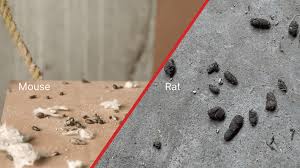
You spot a few tiny droppings near a cupboard, behind the fridge or along a skirting board. It’s unpleasant, but easy to dismiss; you wipe them away and assume it was just a one-off. That reaction is completely normal, but it’s also exactly where many homeowners make their first costly mistake. Small droppings are rarely random; in most cases, they’re an early sign that pests are active in your home, even if you don’t see them directly. If left ignored, what looks like a minor annoyance can quickly develop into a silent infestation that’s far harder and more expensive to resolve.
What Droppings Actually Indicate
Droppings are more than just messes; they’re biological evidence of pest activity. Rodents like mice and rats leave behind small, pellet-shaped droppings, while cockroaches leave tiny black specks that can be mistaken for dirt or coffee grounds. These wastes are left where pests feed and travel, signalling that they’re not just passing through, they’re living there.
Because pests tend to hide in wall voids, behind appliances or under floors, droppings may be the only visible sign you see for some time. By the time you notice them in a visible area, pests may already have nesting sites, established movement routes and access to food sources deep within your home’s structure.
Why Small Signs Often Point to Larger Activity
Pest behaviour explains why tiny droppings shouldn’t be dismissed. Most common pests reproduce quickly and prefer to remain unseen by people. Rodents are nocturnal, moving about at night and returning to established routes day after day; cockroaches hide in dark crevices and come out only when it’s quiet; other insects may nest behind cabinetry or in hidden voids.
By the time droppings are visible on the floor, the infestation has usually already begun. Nesting may have been established for weeks or even months, and pests have identified reliable food and shelter. What looked like an isolated sign on the surface can mask widespread activity behind walls, inside cabinets or under flooring.
The Health Risks Many People Overlook
It’s easy to think of droppings as unpleasant but harmless. In truth, pest faeces, urine and shed body parts can carry bacteria and allergens that affect indoor air quality and human health. Rodent droppings, for example, can harbour pathogens that cause diseases if particles are inhaled or contaminate food preparation areas.
Cockroach droppings can also contribute to indoor allergens and may trigger respiratory irritation, especially in children and people with asthma or other sensitivities. Because droppings often occur in hidden areas near food storage or kitchen cabinetry, the risk of contamination is real, even before pests are directly observed.
Why Cockroach Activity Should Never Be Ignored
Cockroach droppings are especially deceptive. They’re small, dark, and easy to mistake for spilt coffee grounds, pepper or dirt. But cockroaches multiply rapidly, hide in warm, dark places and are notoriously difficult to eradicate once they’ve established multiple harbourage sites.
Once cockroach activity appears repeatedly, droppings reappearing after cleaning, it’s a strong indicator that cockroaches are living and breeding inside your home. At this stage, simple surface cleaning will never eliminate the underlying problem. Targeted cockroach control is usually required to reach their nests and reduce the population effectively.
Why Cleaning Alone Doesn’t Solve the Problem
Cleaning up droppings removes the evidence, but not the cause. Without addressing the source of pest activity, nests remain intact, and pests continue to breed and forage. Over time, their numbers increase, sightings become more frequent, and the infestation spreads to new areas of your home.
Many homeowners begin searching for “pest control near me” only after the problem has progressed beyond simple droppings, often when pests are seen directly or when odours and structural damage start to appear. By then, the infestation has usually reached a stage where more extensive treatment is necessary.
The Value of a Building and Pest Inspection
A professional Building and Pest Inspection offers a proactive and thorough way to assess what’s happening beneath the surface. These inspections don’t just look at visible droppings, they look in hidden areas such as roof voids, wall cavities, subfloors and other low-traffic zones where pests tend to nest.
Inspectors can identify entry points pests use to get inside (like cracks, gaps and unsealed gaps around pipes), environmental conditions attracting them (like moisture or food residue), and early structural risks. Identifying these issues early allows you to address the root causes before they escalate into larger infestations.
This shift from reactive cleaning to proactive diagnosis helps homeowners see the full picture, what’s behind and beyond the droppings, so that professional pest control and remediation can be deployed more effectively.
Why Early Action Prevents Larger Disruptions
Taking action when droppings first appear can significantly reduce the scale of an infestation and the cost of treating it. Addressing pest activity early helps avoid:
- Complete infestations in wall voids and roof spaces
- Damage to insulation, wiring and structural materials
- Increased health risks from prolonged exposure
- More extensive and expensive treatment later on
Small warning signs are far easier and cheaper to manage than established colonies that have spread throughout multiple areas of a property.
Practical Steps Homeowners Can Take Immediately
While professional intervention is often necessary, there are practical steps you can take right away:
- Monitor the areas where droppings appear and note any patterns or recurrence.
- Seal obvious gaps and cracks around walls, windows, doors and utility penetrations.
- Keep food securely stored and eliminate crumbs or standing water that might attract pests.
- Maintain cleanliness in hidden spaces like behind appliances and under cabinets.
- Arrange a professional Building Inspection if droppings persist or increase.
These steps, focused on both prevention and early detection, support long-term pest management while the root cause is being addressed.
Closing – Small Signs Deserve Attention
Droppings may seem insignificant, easy to clean up and forget about. But they are often the first visible clue that pests are active and multiplying in hidden spaces. Ignoring them can allow minor pest activity to grow into an infestation that affects health, home structure and peace of mind. Responding early with both practical steps and professional support helps maintain a safer, cleaner environment and prevents small issues from becoming big problems.
FAQs
What do small droppings near cupboards usually mean?
Small clustered droppings often indicate pests such as cockroaches or rodents are active nearby and may have nesting sites close to food sources or hidden crevices.
Are droppings always a sign of an infestation?
Yes. Droppings are a biological indicator that pests have been feeding and moving in your home. Since pests reproduce quickly, even a few droppings can signal larger hidden activity.
Can I just clean up and ignore it?
Cleaning removes the evidence, not the source. Without addressing the cause, pests continue to nest and forage, often leading to more droppings and sightings later.
How does a pest inspection help?
A professional Building and Pest Inspection identifies hidden infestation areas, entry points and environmental attractors so that pest control can be targeted effectively.
What health risks do pest droppings pose?
Rodent and insect droppings can carry bacteria, allergens and pathogens that affect indoor air quality and may contribute to respiratory irritation or contamination if left unaddressed.