


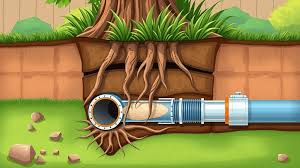
Being told your drains need replacing can feel overwhelming. Most homeowners immediately picture trenches through the lawn, broken paving, damaged garden beds, and days of disruption around the property. Traditional pipe replacement can still be necessary in some situations, but it is no longer the only option for many damaged drains.
Modern drain repair methods have changed how plumbers deal with cracked, leaking, and root-damaged pipes. In many cases, pipes can be repaired from the inside without digging up large sections of the yard. This is where pipe relining becomes worth understanding.
If your drains have been inspected and replacement has been suggested, it is sensible to ask whether relining is suitable. It may not be right for every pipe, but when conditions allow, it can save landscaping, reduce disruption, and restore drainage without open excavation.
Why Traditional Pipe Replacement Is So Disruptive
Traditional pipe replacement requires access to the damaged pipe from above. If the pipe runs under lawn, garden beds, concrete, paving, driveways, or outdoor living areas, those surfaces may need to be removed before the pipe can be reached.
This process can create a significant disturbance. Plants may be dug out, established gardens may be damaged, and hard surfaces may need reinstatement after the plumbing work is finished. The plumbing repair is only part of the total job. The cleanup, landscaping, and surface repair can add time, stress, and cost.
In some homes, pipes run beneath areas that are difficult to access. A small pipe fault under a driveway or landscaped garden can become a much larger project when excavation is the only approach.
What Pipe Relining Actually Does
Pipe relining repairs the inside of an existing pipe. Instead of removing the old pipe, plumbers insert a resin-coated liner into the damaged section. The liner is positioned inside the pipe and then cured so it hardens. Once set, it creates a strong new internal surface for wastewater to flow through.
This method is often called trenchless repair because it can be completed through existing access points or small entry points. The old pipe remains in place, but the new lining seals cracks, covers damaged joints, and helps prevent roots from entering through the repaired section.
Good pipe relining services usually begin with CCTV inspection and drain cleaning. The pipe must be assessed and prepared properly before a liner can be installed. This ensures the damaged section is clear, measured correctly, and suitable for relining.
When Relining May Be Suitable
Relining may suit pipes with cracks, root intrusion, leaking joints, small holes, or sections that still hold their general shape. It can be useful where digging would cause major damage or where the pipe sits under concrete, paving, garden beds, or driveways.
It is often considered when tree roots have entered through damaged joints. The roots can be cleared, and the liner can seal the entry points. It can also help with older clay pipes that have begun cracking but have not fully collapsed.
However, relining is not suitable for every situation. If a pipe has completely collapsed, lost its shape, or has severe backflow, excavation may still be required. This is why proper inspection matters before making a decision.
Why It Can Save Your Garden
For many homeowners, the garden is not just decoration. It may include established plants, irrigation, retaining edges, paving, or outdoor areas that took years to create. Digging through these areas can be frustrating, especially when the pipe problem is only in one section underground.
Relining can reduce the need for excavation because the repair happens inside the pipe. In many cases, there is no need to cut long trenches through lawns or remove mature plants. This makes it attractive for homes where the drainage line runs through landscaped areas.
For property owners comparing options, pipe relining Adelaide specialists can explain whether a no-dig method is possible based on the pipe condition, access points, and location of the damage.
Cost Is Not Only About the Plumbing Work
Many homeowners compare relining and replacement by looking only at the plumbing quote. That can be misleading. With excavation, the final cost may also include concrete cutting, paving repair, turf replacement, garden restoration, soil removal, and cleanup.
Relining may appear more expensive than a simple pipe replacement in some cases, but it can reduce the extra costs linked to digging and reinstatement. It can also reduce time on site and limit disruption to daily routines.
The best comparison should include the whole project, not just the pipe repair. Ask what will need to be dug up, what surfaces will need repair, and how long the area will be unusable.
How the Process Usually Works
The process usually starts with a CCTV drain camera inspection. This shows the location and condition of the damaged pipe. The plumber then clears the drain, often using high-pressure equipment to remove roots, sludge, and debris.
Once the pipe is clean, the relining section is measured and prepared. The resin liner is inserted into the pipe and positioned over the damaged area. It is then cured until it forms a firm internal lining. After curing, another inspection may be completed to confirm that the repair has set correctly.
The result is a smoother internal pipe surface that helps wastewater flow and reduces the chance of roots entering through the repaired section.
Questions to Ask Before Agreeing to Replacement
If you are told your drains need replacing, ask whether the pipe has been inspected with a camera. A clear diagnosis should show what type of damage exists and where it is located. You can also ask whether relining is suitable and why or why not.
Ask about the condition of the whole line, not just the blocked section. If several areas are damaged, the repair plan may need to cover more than one point. Also ask about warranties, expected lifespan, access requirements, and whether any excavation is still needed.
A good plumber should explain the options clearly so you can make a practical decision rather than feeling pressured into one method.
Conclusion
Being told your drains need replacing does not always mean your garden has to be dug up. Pipe relining can offer a less disruptive repair option for many cracked, root-damaged, or leaking drains. It works from inside the existing pipe, helping protect lawns, paving, driveways, and established garden areas.
The right choice depends on the pipe condition, damage level, and access. Before agreeing to excavation, ask for a camera inspection and find out whether relining is suitable.
If you want to repair damaged drains without unnecessary digging, speak with a plumber who can assess both replacement and relining options. A proper diagnosis can protect your drainage system and your outdoor space.