


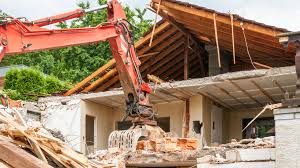
Hydro demolition has become an increasingly popular solution for removing damaged concrete during infrastructure repairs, industrial maintenance, bridge rehabilitation, and large scale construction projects. Unlike traditional mechanical demolition methods, hydro demolition uses ultra high pressure water to remove deteriorated concrete while preserving surrounding structural integrity and reinforcement.
While the technology offers major advantages in precision and long term repair quality, project costs can vary significantly depending on the structure, site conditions, equipment requirements, and overall project complexity. Understanding what influences pricing helps contractors, project managers, and property owners prepare more realistic budgets before work begins.
What Hydro Demolition Pricing Usually Includes
Hydro demolition pricing generally covers more than the concrete removal process itself. Costs may include equipment mobilisation, labour, water supply management, waste handling, site preparation, containment systems, safety controls, and project supervision.
Specialised robotic systems, operator expertise, and environmental compliance requirements may also influence overall pricing depending on the project scale.
Because hydro demolition projects often involve critical infrastructure or structural repair work, planning requirements can be more detailed than standard demolition projects.
Why Costs Vary Between Projects
There is rarely a single fixed rate for hydro demolition work because every structure presents different challenges. Factors such as concrete thickness, reinforcement density, accessibility, removal depth, site location, and project size all affect pricing calculations.
Bridge repairs, tunnels, industrial plants, parking structures, and marine infrastructure may each require different equipment configurations and operational approaches.
More complex environments generally increase labour time and operational planning requirements.
Project Size Influences Cost Efficiency
Larger hydro demolition projects may sometimes achieve lower per square metre rates because mobilisation and equipment setup costs are spread across a wider work area.
Smaller projects, however, may carry proportionally higher pricing because specialised equipment and preparation requirements remain necessary regardless of total surface area.
Scale therefore plays a major role when estimating overall project budgets.
Accessibility Can Affect Pricing Significantly
Site accessibility often has a major impact on hydro demolition costs. Elevated bridge structures confined industrial spaces, tunnels, marine environments, or heavily restricted urban worksites may require additional safety systems, traffic management, scaffolding, or specialised positioning equipment.
Difficult access conditions generally increase both labour and operational complexity.
Projects located in active infrastructure environments may also require tighter scheduling and additional safety planning.
Water Management And Environmental Controls Matter
Hydro demolition generates large volumes of water and concrete slurry that must be controlled and managed carefully. Environmental regulations often require containment systems, filtration equipment, wastewater management, and controlled disposal processes.
These environmental protection measures contribute to overall project costs but are essential for regulatory compliance and site safety.
Environmental management has become an increasingly important part of infrastructure repair planning.
Equipment And Technology Influence Costs
Hydro demolition cost per square metre often use advanced robotic equipment capable of delivering highly precise concrete removal. While these technologies improve efficiency and repair quality, they also involve specialised operational costs and trained personnel.
The type of equipment used may depend on removal depth requirements, structural sensitivity, project scale, and productivity targets.
Advanced automation can sometimes improve long term efficiency despite higher initial setup costs.
Repair Quality Often Justifies The Investment
Although hydro demolition may appear more expensive than some traditional mechanical removal methods initially, many infrastructure owners consider the long term repair quality benefits worth the investment.
The process reduces vibration damage, preserves reinforcement integrity, improves bonding surfaces for repairs, and minimises micro cracking in surrounding concrete.
These advantages can contribute to stronger long term structural performance and reduced future maintenance costs.
Many project planners researching hydro demolition cost comparisons focus not only on upfront pricing but also on lifecycle value and durability outcomes.
Long term infrastructure performance remains a major budgeting consideration.
Typical Pricing Expectations
Actual pricing varies widely depending on project conditions, but hydro demolition is commonly quoted on a per square metre basis combined with removal depth and operational complexity considerations.
Rates may differ significantly between standard horizontal slab work and highly specialised infrastructure repairs involving vertical surfaces, overhead structures, or restricted environments.
Professional site assessment is usually necessary for accurate project specific estimates.
Helpful Related Construction Research
Infrastructure planners and contractors also benefit from reviewing bridge rehabilitation budgeting strategies and sustainable concrete repair technologies because these related topics provide broader insight into long term infrastructure maintenance planning and repair cost management.
Better planning supports more accurate budgeting outcomes.
Hydro Demolition Budgeting
Hydro demolition pricing depends on many interconnected factors including project size, structural complexity, accessibility, environmental controls, equipment requirements, and operational conditions. Because the process involves specialised technology and precision concrete removal, accurate budgeting usually requires detailed project assessment rather than relying solely on standard demolition pricing assumptions.
While upfront costs may vary, hydro demolition often delivers important long term value through improved repair quality, reduced structural damage, and stronger infrastructure durability.
Understanding the factors that influence pricing helps project owners and contractors plan more effectively while making informed decisions about modern concrete rehabilitation strategies.