


A roof does far more than complete the look of a home. It shields families from harsh weather, helps regulate indoor temperatures, and protects the structural integrity of the entire property. Yet many homeowners only think about roofing when there is an obvious problem such as a leak, missing shingles, or storm damage.
Choosing the right contractor before major issues arise can save significant time, stress, and money. Whether a homeowner is planning preventative maintenance, a full replacement, or repairs after severe weather, understanding what separates a dependable roofing company from an average one is essential.
Why Roofing Quality Matters More Than Many Homeowners Realize
A roof is one of the largest and most important investments in any property. While cosmetic upgrades may improve appearance, roofing work directly affects safety, energy efficiency, and long-term property value.
Poor workmanship can lead to problems that are expensive to correct later, including:
- Water intrusion and hidden mold growth
- Structural wood damage
- Increased heating and cooling costs
- Reduced home resale value
- Premature roof failure
Because roofing systems are exposed to constant weather conditions, quality installation and maintenance are critical. Even premium materials can fail early if they are installed incorrectly.
For homeowners in areas that experience seasonal storms, humidity, or heavy rainfall, the stakes become even higher. Small vulnerabilities often turn into major repairs after repeated exposure to wind and moisture.
Signs It May Be Time to Repair or Replace a Roof
Many roofing issues begin subtly. Homeowners who recognize early warning signs can often address problems before they become severe.
Interior Warning Signs
Inside the home, signs of roofing problems may include:
- Water stains on ceilings or walls
- Peeling paint near rooflines
- Musty odors in attic spaces
- Sudden increases in energy bills
- Visible sunlight entering the attic
These symptoms may indicate leaks, ventilation issues, or damaged underlayment.
Exterior Warning Signs
Outside the property, homeowners should watch for:
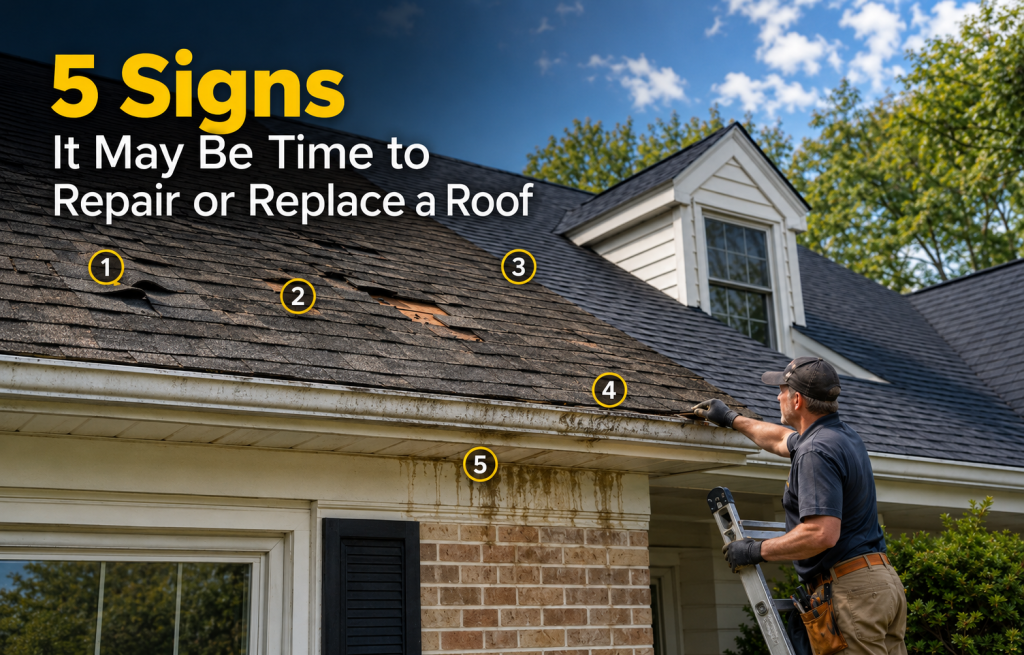
- Missing or curling shingles
- Granule buildup in gutters
- Sagging roof sections
- Cracked flashing around chimneys or vents
- Moss or algae growth
Roof age also matters. Asphalt shingle roofs commonly last between 20 and 30 years depending on climate, maintenance, and installation quality.
When multiple warning signs appear together, a professional inspection is often the smartest next step.
What to Look for in a Roofing Contractor
Not all roofing companies offer the same level of expertise, communication, or accountability. Homeowners should evaluate contractors carefully instead of focusing only on the lowest estimate.
Proper Licensing and Insurance
A reputable contractor should carry the appropriate licensing and insurance for their region. This protects both the company and the homeowner if accidents or property damage occur during the project.
Insurance documentation should include both liability coverage and workers’ compensation.
Local Experience
Local experience matters because roofing needs vary based on climate and environmental conditions. Contractors familiar with regional weather patterns are often better equipped to recommend suitable materials and installation techniques.
Homeowners researchingroofers Peachtree City Georgia may benefit from working with professionals who understand the unique weather demands common in the area, including seasonal storms and humidity.
Transparent Communication
Clear communication is often a strong indicator of professionalism. Reliable contractors typically provide:
- Written estimates
- Detailed project timelines
- Material explanations
- Warranty information
- Clear cleanup procedures
A contractor who avoids questions or pressures homeowners into immediate decisions may not be the best long-term choice.
The Importance of Roofing Materials
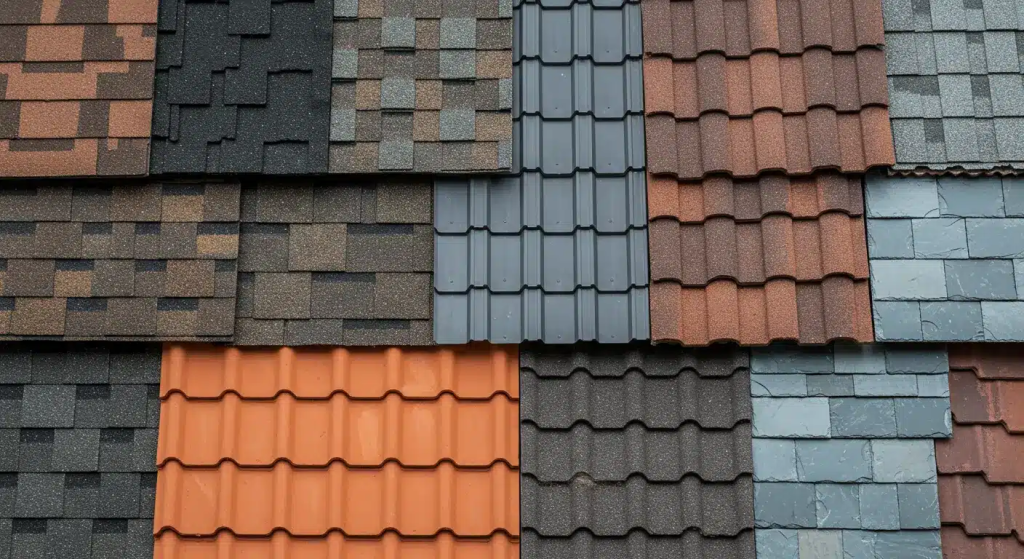
The quality of roofing materials plays a major role in durability and performance. Homeowners should understand the strengths of different options before committing to a project.
Asphalt Shingles
Asphalt shingles remain one of the most common roofing materials because they are affordable, versatile, and relatively easy to maintain.
Modern architectural shingles can also improve curb appeal while offering better wind resistance than older three-tab designs.
Metal Roofing
Metal roofs continue to grow in popularity due to their longevity and energy efficiency. Many systems can last several decades with proper maintenance.
They are particularly attractive for homeowners seeking durability and lower long-term maintenance needs.
Specialty Materials
Some homeowners choose slate, tile, or synthetic roofing products for aesthetic or performance reasons. While these materials often come with higher upfront costs, they may offer enhanced lifespan and distinctive appearance.
A qualified contractor can help determine which material best fits a home’s structure, budget, and environmental conditions.
Why Roof Maintenance Should Never Be Ignored
Routine maintenance is one of the simplest ways to extend roof lifespan and prevent expensive repairs.
Unfortunately, many homeowners wait until leaks become visible before scheduling inspections. By that stage, water may already have caused hidden structural damage.
Recommended Maintenance Practices
Property owners can reduce long-term roofing costs by:
- Cleaning gutters regularly
- Removing debris after storms
- Trimming overhanging tree branches
- Scheduling annual roof inspections
- Addressing minor repairs quickly
Preventative maintenance often costs far less than emergency repairs or premature roof replacement.
Storm Damage and Insurance Considerations
Storm damage is one of the most common reasons homeowners contact roofing contractors. High winds, hail, and heavy rain can weaken roofing systems even when damage is not immediately visible from the ground.
After a major storm, homeowners should document visible concerns and arrange a professional inspection promptly.
Understanding Insurance Claims
Roof insurance claims can feel overwhelming, especially for homeowners unfamiliar with the process. Proper documentation, photographs, and inspection reports can help simplify communication with insurance providers.
However, homeowners should remain cautious about contractors who make unrealistic promises regarding claims or coverage approvals.
A trustworthy roofing company focuses on accurate assessments and transparent guidance rather than aggressive sales tactics.
Energy Efficiency and Modern Roofing Trends
Today’s roofing systems do more than simply protect against rain. Many modern materials and installation methods also contribute to improved energy efficiency.
Reflective shingles, proper ventilation, and upgraded insulation can help regulate indoor temperatures and reduce strain on HVAC systems.
As energy costs continue to rise, homeowners increasingly view roofing upgrades as both protective and financially practical investments.
Some newer roofing technologies are also designed to resist algae growth, improve impact resistance, and increase overall lifespan.
Final Thoughts
Roofing projects are among the most important investments homeowners make, yet many people delay inspections and maintenance until problems become urgent. Taking a proactive approach can help prevent costly repairs while preserving comfort, safety, and property value.
The right contractor will prioritize quality workmanship, honest communication, and long-term solutions rather than short-term fixes. By understanding common roofing issues, material options, and contractor qualifications, homeowners can make informed decisions that benefit their property for years to come.
Whether planning preventative maintenance or preparing for a full roof replacement, investing in experienced professionals and durable materials is one of the smartest ways to protect a home against the unexpected.