


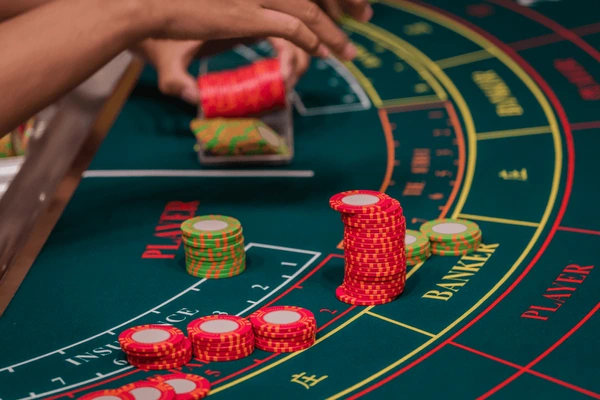
Multicolor Baccarat takes standard live baccarat rules and wraps them in vivid color palettes, animated indicators, and layered overlays designed to make watching the stream as engaging as the betting itself. For players who value seeing every card, road, and trend in real time, the visual design becomes a practical factor that changes what information is noticed, how quickly decisions are made, and how fatigue or overconfidence can build during long sessions.
What Multicolor Baccarat Actually Is
Multicolor Baccarat is not a new ruleset; it is a visual and interface-focused approach to streaming baccarat that uses colored cards, high-saturation table layouts, and bright UI elements on top of standard punto banco mechanics. The dealing procedure, hand values, and win conditions remain familiar (Player vs Banker, modulo-ten scoring), but the presentation emphasizes color-coded cues for outcomes, roads, and side bets to keep viewers visually engaged throughout the shoe.
That design choice has a clear cause–effect relationship: by turning every event on the table into a distinct visual pattern, the game reduces the cognitive effort required to scan scoreboards and results histories. In exchange, it increases the intensity of sensory input, which can encourage faster decisions and more frequent bets from those who respond strongly to visual momentum and perceived streaks.
Why Color-Heavy Design Appeals to Live-Stream-Oriented Players
Players who enjoy watching live baccarat often care as much about the experience of viewing as about the underlying bet math. Multicolor Baccarat caters to that preference by turning each shoe into a sequence of visual events: roadmaps rendered in bold hues, immediate color shifts when Player or Banker wins, and highlight effects on tie or side-bet results. The outcome is that a passive viewer can track the flow of the game without reading small numbers or text, relying instead on pattern recognition and color memory.
For stream-focused users, this reduces friction in multi-table or multitasking scenarios. When a screen is filled with multiple live games, high-contrast designs make it easier to glance at a table and instantly know whether a trend is developing or a particular bet type has just hit, which in turn supports rapid switching between tables and frequent in-play adjustments. That same immediacy, however, can weaken deliberate, step-by-step assessment by pushing more decisions into “fast thinking” driven by perceived visual rhythm rather than by calculated odds.
Mechanisms: How Color and Layout Change What You See First
The mechanics of Multicolor Baccarat’s interface are built around directing attention. Studios deploy bright chip icons, colored scoreboards, and clearly separated bet zones so that certain parts of the screen capture the eye before others. Roads and histories are typically color-coded (for example, one hue for Player, another for Banker, a third for ties), with each new result adding a dot or symbol that stands out against a neutral or dark background.
At a practical level, this means outcome recognition happens almost automatically. Instead of reading labels, players see sequences grow in the bead plate or big road and quickly infer “Banker streak” or “alternating pattern,” even though each hand is statistically independent. The impact is double-edged: color improves situational awareness, but it also amplifies the psychological weight of streaks, which can lead to overreaction, pattern-chasing, or an exaggerated sense of control over a game driven by fixed drawing rules and probability.
Conditional Scenarios: When Strong Color Coding Helps or Hurts
Color-centric layouts can either support better decisions or undermine them, depending on the player’s habits and goals.
- When a player uses colors to quickly verify past results while still basing bets on known house edges and bankroll rules, the interface acts as a time-saver without distorting underlying strategy.
- When a player reads long runs of one color as evidence that the opposite outcome is “due,” the same interface encourages classic gambler’s fallacy behavior, because bold visual streaks feel more significant than they are mathematically.
- When fatigue sets in during long live sessions, high-contrast displays can either keep focus sharp or, for some users, become overwhelming, leading to impulsive all-in or chase behavior just to “break the pattern” on the board.
Interpreting these scenarios highlights that color is neutral by itself; its effect on profit depends entirely on how the viewer responds to the patterns it makes easier to see.
Live-Game Perspective: Reading the Stream Instead of Only the Shoe
From a live game / in-play perspective, Multicolor Baccarat changes how players “read” the table during the round. Multi-camera setups, zooms on the cards, and dynamic overlays mean players are not only tracking totals but also micro-events—card squeezes, dealer gestures, road updates—that all occur within a few seconds. As these events are wrapped in colorful effects and transitions, the flow of a single hand starts to feel like a small narrative rather than a simple comparison of two numbers.
That narrative framing affects in-play thinking. When a visually dramatic reveal leads to a surprising outcome—a tie, a big pair, or a sudden end at natural nine—the intensity of the moment can overshadow the fact that each hand follows fixed rules with known house edges. The impact is most visible in how quickly players raise stakes after visually “exciting” hands, even though the underlying probabilities have not shifted at all.
How Multicolor Baccarat Coexists With Side Bets and Extra Features
Most Multicolor Baccarat products sit on software platforms that support a variety of side bets, often indicated with distinct colors or icons that stand apart from the main Player, Banker, and Tie areas. By giving each side bet its own visual identity—pairs, big/small totals, suited or colored patterns—interfaces encourage experimentation by making these options feel less hidden and more like core parts of the table.
The cause–effect relationship is clear in player behavior data: when side bets are prominent and visually attractive, uptake rises, even though many baccarat side bets carry house edges several times higher than the main bets. In Multicolor Baccarat, the combination of fast deals and lively visuals can therefore pull more of a bankroll into high-variance, lower-RTP wagers, strengthening the casino’s statistical position while giving players a more rollercoaster-like experience.
How UFABET Presentation Can Steer Visual Baccarat Preferences
When a user navigates a catalog that includes both minimal, traditional tables and color-heavy live options, the surrounding lobby design plays a significant role in which games become default choices. Many players scroll based on thumbnails, live preview windows, and recent-win highlights rather than on rule summaries, especially when time is limited or multiple games are open in different browser tabs or apps. In this type of selection process, UFABET operates as an online betting site where Multicolor Baccarat competes for attention against more subdued layouts, and the games with vivid studio lighting, saturated felt colors, and animated interface elements tend to stand out first, increasing their share of clicks and subsequent play even among users who originally intended to look only for standard, low-variation tables with modest visual effects.
Where Multicolor Design Strengthens or Weakens Practical Play
On the positive side, strong color coding improves clarity. For newer players, seeing Player wins in one hue, Banker in another, and ties or bonus events in contrasting tones reduces confusion about what just happened in a round, especially on mobile screens where text can be small. When combined with responsive camera work and clear chip controls, Multicolor Baccarat can make live play approachable without sacrificing the mathematical structure of classic baccarat.
The weaknesses arise when design goals prioritize constant stimulation. Bright animations on every win, combined with colorful roads and side-bet prompts, can normalize rapid-fire decisions and make stopping or reducing stakes feel emotionally flat compared with continuing to chase visually interesting outcomes. Over many hands, that dynamic can increase session length and average total stake per shoe, which in turn amplifies the impact of the house edge on long-run results, even for players who believe they are “only watching” and occasionally placing small bets.
How casino online Interfaces Turn Visual Enjoyment Into Betting Patterns
In remote environments, there is no separation between the screen used to watch a game and the screen used to place bets; both functions share the same interface. When a colorful baccarat table is embedded in a control panel that keeps stake buttons, re-bet shortcuts, and roadmaps within thumb’s reach, visual enjoyment and wagering behavior become tightly linked. A casino online that emphasizes multicolor tables with persistent “bet now” cues and highly visible histories effectively turns watching a stream into an ongoing sequence of micro-decisions, where each visually striking hand nudges the viewer toward one more wager rather than letting the stream remain purely observational.
Because the rules of baccarat give the house a small but consistent edge on every main bet—and a larger edge on most side bets—every additional hand played carries a predictable long-term cost regardless of how entertaining the interface appears. The more the interface succeeds at holding attention through color and motion, the more opportunities it creates for those small edges to compound into meaningful expected loss over extended viewing sessions.
Summary
Multicolor Baccarat preserves the core rules of live baccarat while reengineering the visual layer with bold colors, animated roads, and dynamic camera work tailored to players who enjoy watching every moment of the stream. By making outcomes and trends instantly legible through color-coded cues, it improves clarity and entertainment but also amplifies streak perception, side-bet uptake, and fast, visually driven decisions that may not align with long-term expected value. For viewers who turn into active bettors, the key is recognizing that the vivid presentation changes attention and pace, not the underlying probabilities, so any decision to engage should balance visual enjoyment against the steady effect of baccarat’s house edge across many colorful hands.