


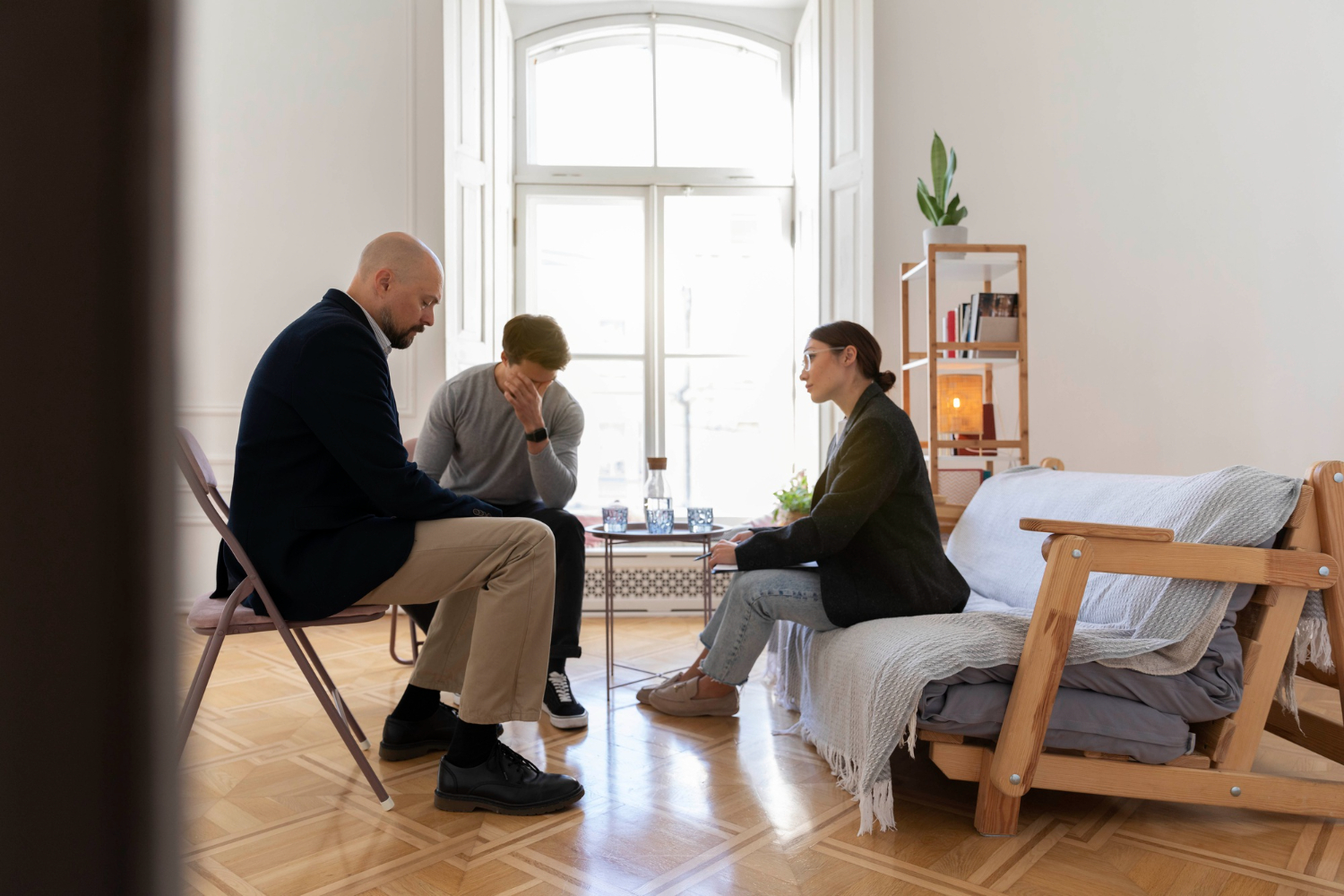
Mental issues may touch upon all aspects of life, such as relations, job performance, and mood. Structured support is crucial when the symptoms are so hard to handle that outpatient care is not enough. Residential mental health treatments have become the choice of many individuals and families who choose to receive constant care in the supporting and caring environment. These initiatives offer the security to tackle mental illnesses, as well as enabling people to reconstruct normal habits and coping mechanisms.
Residential care does not just provide relief. Rather, it provides a secure environment where people are able to dedicate all their attention to the process of recovery without the distraction and stress that come with living life. Through professional help and evidence-based treatments, the individuals become equipped to achieve the means to long-term mental health..
Understanding Residential Mental Health Care
Residential treatment offers twenty-four-hour supervision and planned therapeutic assistance to those who are going through mental health issues. Residential care, in contrast to outpatient programs, enables people to remain in a treatment facility where relevant experts will provide them with individual care. It is a particularly effective level of care that is beneficial to patients requiring regular monitoring and assistance. A lot of individuals find comfort in a consistent schedule comprising therapy and wellness services and personal reflection. Treatment is done under a regulated condition, and therefore, patients can devote time to curing without external distractions that hinder recovery.
The residential programs usually assist those individuals encountering issues related to anxiety disorders, depression, trauma-related disorders, and mood disorders. Moreover, residential care is also sought by quite a few individuals who do not find their previous treatment effective in the long term.
Why Structured Treatment Makes a Difference
Stability is a significant factor in recovery in mental health. Meeting with therapists every now and then can slow the process of locating the root causes of problems and coming up with efficient coping mechanisms. The residential care enables therapists to interact directly with people and track them daily. Organized space promotes good health and personal well-being. The routine activities generally have individual therapy, group counseling, and wellness practices which promote emotional and physical well-being. As time passes, these habits make people gain stability and confidence.
Moreover, the structured care minimizes the exposure to triggering factors that can aggravate the symptoms. Being free of the burden of daily commitments, people can pay their full attention to the process of healing and self-development.
A Safe and Supportive Healing Environment
Emotional healing depends on the feeling of safety. Through residential treatment programs, a conducive and relaxed atmosphere is available where one can be able to share experiences without fear of condemnation. The professional members of the staff are always available to help and advise in case of an issue. Peer support is a crucial part of recovery, as well. The sense of isolation can be minimized by coexisting with people who are going through the same difficulties. It is a fact that most of the people find that mutual experience can be used to create knowledge and inspiration in the recovery process. The helpful conditions promote truthful discussions and personal development. Trust leads people to open up in regard to therapy and self-change.
Personalized Treatment Plans
All individuals have a different approach to mental health challenges. This is why good residential treatment programs are made to include individual treatment plans based on the needs of the individual. Treatment plans usually start with a general evaluation. The clinicians assess emotional well-being, behavior, and the history of an individual to develop a specialized recovery plan. During the dynamic processes, the needs and goals are altered, and treatment plans are modified accordingly.
Individual therapy is frequently part of personalized care in which individuals have an opportunity to dig in depth into emotional issues. Working with therapists, people learn to recognize negative patterns and to acquire healthier approaches to stress and painful emotions.
Evidence-Based Therapies That Support Recovery
Well-supported therapies are applied in professional residential programs based on clinical research and experience. These methods assist people in perceiving their thoughts, feelings, and actions more healthily. Cognitive behavioral therapy enables one to note the presence of negative ways of thinking and substitute them with more realistic ways of thinking. This can be a process that makes a person have better decision-making and emotional regulation.
Trauma-informed therapy assists people in putting the painful events into perspective in a secure and regulated environment. It has been found that tackling unresolved trauma is a major part of emotional healing for many people. Group therapy promotes learning and communication. By listening to others, the participants are likely to gain knowledge as well as train their interpersonal skills.
Developing Coping Skills for Long-Term Wellness
Practical coping strategies would be useful in ensuring that one remains sane even when the treatment is not present. Residential programs help people know how to handle stress, control emotions, and react to challenges in healthy ways. Therapists assist people in determining the personal triggers and early signs of emotional distress. As soon as these patterns are identified, people will be able to devise strategies that ensure symptoms do not overwhelm them.
Support During Life Transitions
Residential care is entered by many persons at a time of great change in life. Changes in life, including the stress of career change, relationship issues, or personal loss, may cause emotional overload and aggravate underlying mental health issues. Stability through residential treatment is seen during unstable periods. The people are guided as they overcome challenging emotions and form healthier views.
Family Involvement in Recovery
The relatives tend to make a big contribution to mental health recovery. Many residential programs involve the family by welcoming counseling and educative materials. The family therapy helps in improving the communication and relationship. An improved understanding of mental health conditions by the families will lead to more effective provision of support by the families after the period of treatment is concluded.
Preparing for Life After Treatment
Long term stability is also the goal of effective residential programs that are not only pursuing short term improvement. Post-treatment life is another extremely important part of the process of recovery. Discharge planning helps the individuals to leave the residential care to normal life. This is achievable through out patient treatment, support groups and mental health follow up.
At the end of the treatment, patients have tangible goals and achievable strategies on the way to proceed with the progress. It is one of the preparations that makes people less unsure and helps them to have hope concerning their recovery process.
A Path Toward Lasting Recovery
Residential care is a serious alternative to recovery and psychological stability. It is possible to find solutions to the problems underlying mental health issues and develop healthier lives with the help of systematized treatment and regular assistance. With time, support, and guidance from the professionals needed to initiate a significant change, people can recover.
Detailed therapy and soft counselling can make sure that individuals can heal and become healthy forever. One can learn to practice emotional balance and long-term stability with the help of a professional and the programmed activities. Touchstone Recovery provides a favorable therapeutic environment where patients can continue to live with a positive attitude and can build a healthier attitude towards life through residential mental health services.