


Every homeowner reaches a point where they have to think seriously about protecting the surfaces and structures they have invested in. Whether it is a garage floor that takes a beating from heavy foot traffic and vehicle movement, a basement prone to moisture intrusion, or an outdoor deck exposed to harsh weather year-round, the wear and tear can add up fast. Traditional paints and sealants have served as the go-to solutions for decades, but many property owners are discovering they fall short when it comes to long-term durability. That growing frustration has led a wave of homeowners and contractors alike to explore a different class of protective material — one that has quietly been gaining ground across both residential and commercial sectors.
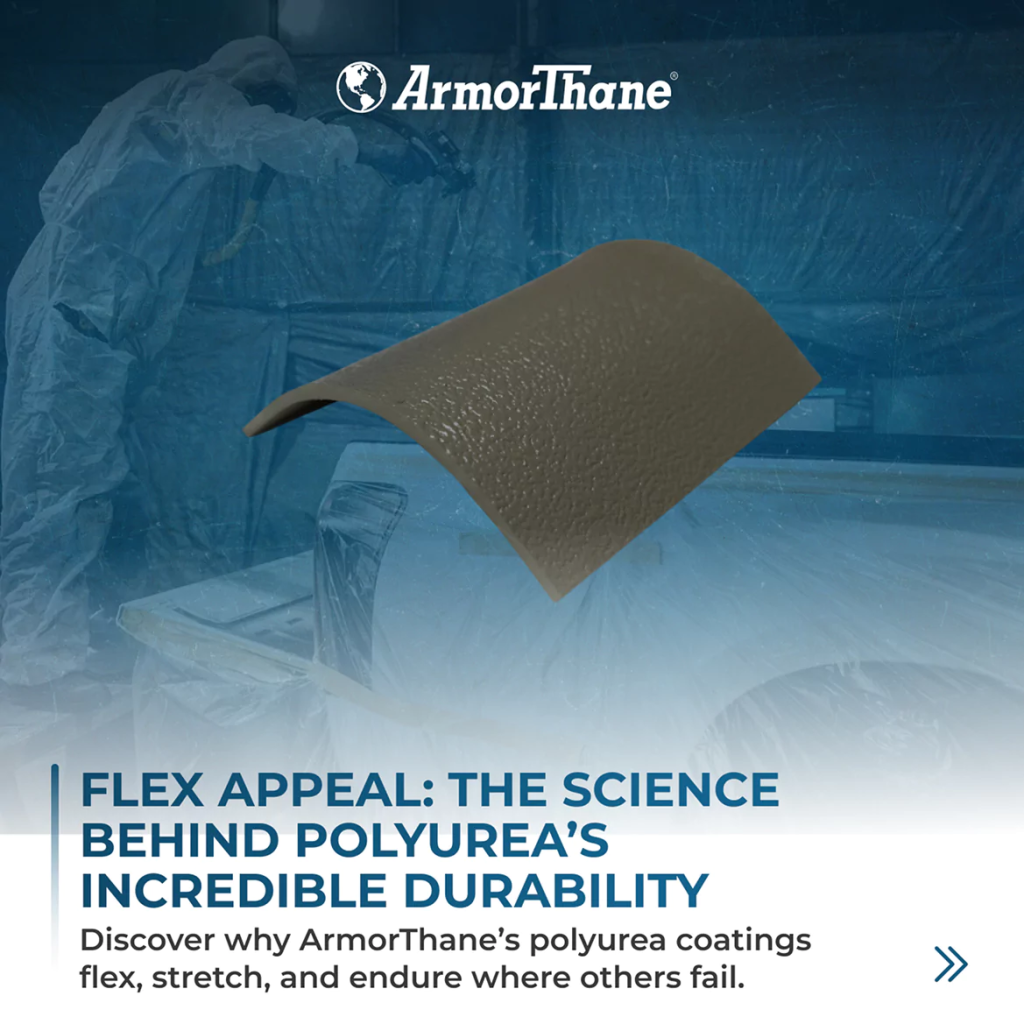
Polyurea-based protective systems have emerged as a standout option in the coatings space, and for good reason. Unlike conventional epoxy or acrylic sealants, polyurea forms an extremely resilient membrane that bonds tightly to the substrate beneath it. Once cured, the resulting surface resists cracking, peeling, and chemical damage far more effectively than most alternatives on the market. For anyone who has dealt with the headache of recoating a garage floor every couple of years or watching a deck finish deteriorate after one rough winter, the appeal of a coating that can hold up for a decade or longer is hard to ignore.
What makes this technology particularly interesting from a home improvement perspective is its versatility. Polyurea can be applied to concrete, wood, metal, and fiberglass, which means it works well across a wide range of projects. Homeowners have used it for everything from waterproofing foundations and sealing rooftop surfaces to lining truck beds and refinishing pool decks. The material cures rapidly — often within seconds of application — so downtime is minimal compared to traditional coatings that may require 24 to 72 hours before they can handle foot traffic again. That quick turnaround has made polyurea a practical choice for projects where time is a constraint.
One of the less talked-about advantages is the material’s resistance to UV radiation and temperature fluctuations. Homeowners in regions that experience extreme heat, freezing cold, or significant seasonal swings have found that polyurea maintains its structural integrity where other coatings tend to crack or discolor. This characteristic is especially valuable for exterior applications like patios, walkways, and driveways, where exposure to the elements is constant and unforgiving.
For those who want a deeper understanding of the chemistry and practical benefits behind this technology, polyurea coatings offer an informative breakdown of how the material is formulated and why it outperforms many traditional alternatives. Understanding the two-component reaction process — where an isocyanate component meets a resin blend — helps explain why the cured material achieves such impressive hardness and flexibility at the same time.
From a practical standpoint, hiring a professional applicator is generally recommended for spray-applied polyurea, since the equipment and technique involved require training. The material is dispensed through specialized plural-component spray rigs that heat and pressurize the two components before mixing them at the spray tip. That said, there are also brush-on and roll-on formulations available for smaller DIY projects, which makes the technology accessible to homeowners who prefer a hands-on approach without investing in commercial-grade equipment.
Cost is naturally a consideration. Polyurea coatings tend to carry a higher upfront price tag than standard epoxy or latex-based alternatives. However, the total cost of ownership often tells a different story. Because polyurea lasts significantly longer and requires far less maintenance and reapplication, many homeowners find it more economical over a five- to ten-year window. Factoring in the labor and material costs of recoating with cheaper products every few years, the math tends to favor the more durable option.
The environmental profile of polyurea is another factor worth considering. The material produces virtually zero volatile organic compounds during application, which sets it apart from many solvent-based coatings that release harmful fumes into the air. For homeowners who are conscious about indoor air quality or who are working in enclosed spaces like basements and garages, the low-VOC nature of polyurea provides a meaningful advantage. The Environmental Protection Agency has long emphasized the importance of reducing VOC exposure in residential settings, and choosing a low-emission coating is one straightforward way to align with that guidance.
Surface preparation remains a critical step regardless of which coating system a homeowner chooses. Polyurea adheres best to surfaces that have been thoroughly cleaned, degreased, and profiled — meaning lightly abraded or ground to create a texture the coating can grip. Skipping or cutting corners on surface preparation is the most common reason coatings fail prematurely, and polyurea is no exception. Investing the time upfront to prepare the substrate properly pays dividends in the form of a longer-lasting, better-performing finish.
Looking ahead, the residential market for advanced protective coatings is expected to continue expanding. More contractors are adding polyurea application to their service offerings, and manufacturers continue to refine formulations that make the material easier to work with and more cost-accessible. Industry discussions around home improvement trends consistently highlight coatings technology as one of the areas where meaningful progress is being made, particularly in terms of durability, environmental friendliness, and ease of application.
For homeowners weighing their options, the decision often comes down to how long they plan to stay in a property and how much ongoing maintenance they are willing to tolerate. A polyurea system may not be necessary for a quick cosmetic refresh, but for anyone looking to protect a surface for the long haul, it represents one of the most reliable solutions currently available. As with any significant home improvement project, consulting with a qualified professional and getting multiple estimates is a smart first step before committing to any particular approach.