



I spent a week riding along with a mate of mine who runs a small freight operation out of Welshpool. Three trucks, four drivers including himself, and contracts that take him everywhere from Fremantle port to mine sites past Kalgoorlie. What struck me most was not the long hours or the monotony of highway driving, although there was plenty of both. It was how much every single aspect of his business depended on those three vehicles being reliable, efficient, and fit for the specific work they were doing. When one of his rigs went down with a turbo issue near Southern Cross, it did not just mean a repair bill. It meant a missed delivery, a penalty clause triggered, a driver sitting idle on wages, and a customer who started shopping around for someone more reliable.
That is the reality of commercial vehicles in Australia. They are not just transport. They are the beating heart of businesses that employ millions of people and keep the entire economy moving. Every supermarket shelf stocked, every construction site supplied, every mine serviced, every piece of furniture delivered, every emergency responded to. All of it depends on commercial vehicles doing their job, day in, day out, across distances and in conditions that would make operators in most other countries shake their heads.
This guide is for anyone who relies on commercial vehicles to make a living or is about to start. Whether you are running a single cab-chassis for your plumbing business or managing a fleet of prime movers hauling interstate, the principles of choosing, maintaining, and getting the most out of your vehicle are fundamentally the same. And getting them right is the difference between a business that works and one that is constantly fighting fires.
Why Australia Demands More From Its Commercial Vehicles Than Anywhere Else
There is no polite way to say this. Australia is hard on trucks. The distances are enormous. Perth to Sydney is roughly 4,000 kilometres. Melbourne to Darwin is about the same. A single round trip covers more ground than many European operators drive in a month. And the conditions along the way are nothing like a smooth German autobahn or a well-maintained Japanese expressway.
You have got searing heat in the Pilbara that pushes cooling systems to their absolute limits. You have got corrugated dirt roads in regional areas that shake every bolt and weld on the chassis. You have got road trains running multi-trailer combinations through dust so thick you cannot see the vehicle in front of you. You have got humidity in the tropics that corrodes wiring and eats at exposed metal. And you have got freight schedules that demand vehicles run around the clock, often covering 200,000 kilometres or more per year.
These conditions mean that a vehicle which performs well in other markets does not automatically cut it here. Australian operators need machines that are specifically designed or configured for this environment, with heavy-duty cooling packages, enhanced air filtration, robust suspension, corrosion protection, and cabs that keep drivers comfortable and alert over the kind of shifts that no office worker would tolerate for a single day.
Understanding this context matters because it shapes every purchasing decision you make. The cheapest option is almost never the cheapest option once you factor in fuel, maintenance, downtime, and the accelerated wear that Australian conditions impose. The operators who thrive in this market are the ones who buy smart, maintain rigorously, and match their vehicles precisely to the work they need to do.
Understanding the Different Classes of Commercial Vehicle
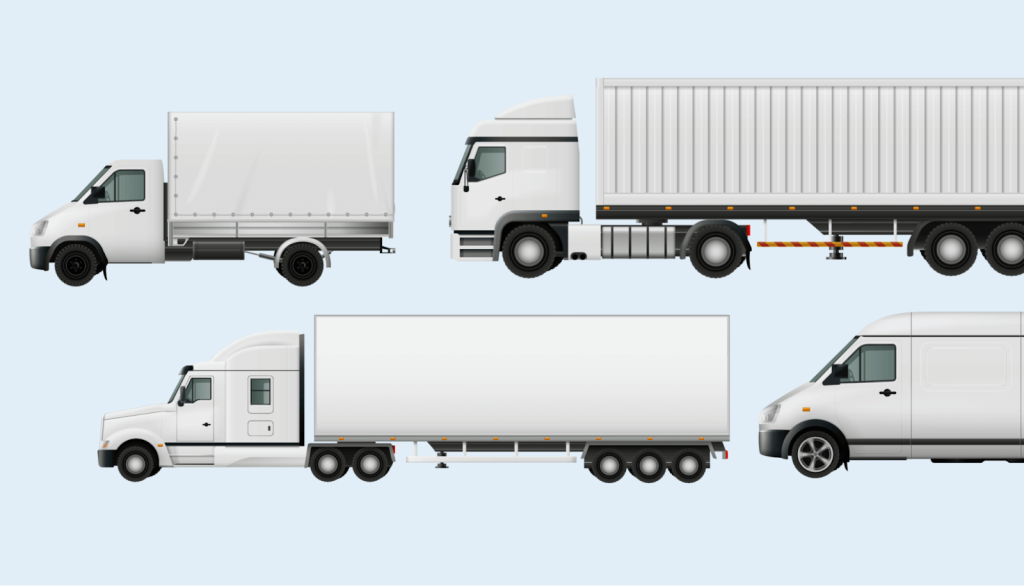
If you are not already familiar with the commercial vehicle market, the range of options can feel overwhelming. The starting point is understanding the broad categories and what each one is designed to do.
Light Commercial Vehicles Under 4.5 Tonnes GVM
These are the backbone of urban commerce. Cab-chassis models, vans, and small tippers that handle everything from parcel delivery and trade work to mobile services and light construction supply. Most can be driven on a standard car licence, which simplifies driver recruitment enormously. They are nimble enough for suburban streets, affordable to buy and run, and versatile enough to serve a huge range of industries.
The body you put on a light commercial vehicle matters just as much as the chassis itself. A refrigerated body for food delivery, a tray with toolboxes for a sparky, a tipper for a landscaper, or a pantech for furniture transport are all completely different setups on essentially the same base vehicle. Talk to a body builder early in your purchase process to understand what the total cost will be, not just the cab-chassis price.
Fuel economy in this class has improved dramatically in recent years, with modern diesel engines delivering significantly better consumption than their predecessors while also being cleaner and more refined. If you are still running a light commercial vehicle from a decade ago, the fuel savings from upgrading to a current model might genuinely surprise you.
Medium-Duty Vehicles Between 4.5 and 15 Tonnes
The medium-duty segment is where things start getting serious. Furniture removals, regional freight, council services, construction material delivery, and livestock transport all live in this space. These vehicles hit a sweet spot for businesses that have outgrown a light commercial but do not need the full capacity of a heavy-duty rig.
Driver licensing is a practical consideration here. You will typically need a medium rigid or heavy rigid licence depending on the GVM, which affects your recruitment pool and your timeline for getting new drivers on the road. Factor this in early.
The technology in modern medium-duty vehicles is remarkably sophisticated. Automated manual transmissions have become the norm rather than the exception, delivering better fuel economy and easier driving than traditional manuals. Advanced driver assistance features like electronic stability control, autonomous emergency braking, and lane departure warnings are increasingly standard. And telematics systems provide real-time data on fuel consumption, driver behaviour, and vehicle health that was unimaginable a generation ago.
Heavy-Duty Vehicles and Prime Movers
This is the top of the food chain. Prime movers, heavy rigids, and multi-combination vehicles that carry the bulk of Australia’s freight across vast distances. New heavy-duty vehicles cost well into six figures, and a premium unit with full specification can approach half a million dollars. The stakes in this segment are correspondingly high. A bad purchasing decision does not just dent your profit. It can threaten your entire operation.
The key metrics here are engine power and torque, fuel consumption under loaded and unloaded conditions, cab comfort for drivers spending days at a time on the road, drivetrain durability, service network coverage along your routes, and total cost of ownership over the expected life of the vehicle. Every one of these factors deserves careful analysis before you commit.
Buying a New Truck Versus Buying Used
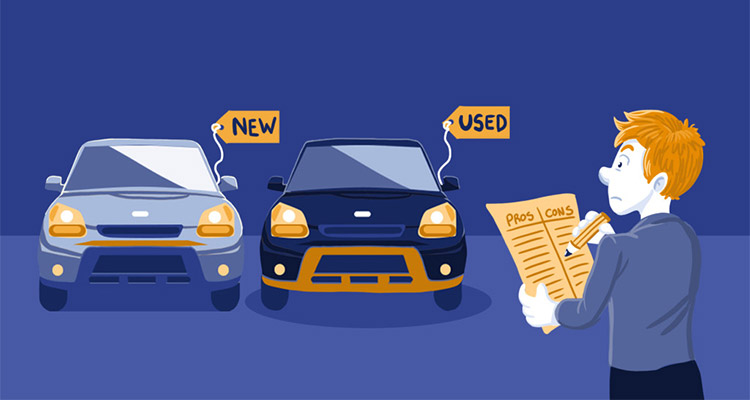
The new-versus-used debate is one of the most important decisions you will make, and the right answer depends entirely on your circumstances.
A new vehicle gives you the latest technology, a full manufacturer warranty, the ability to spec it exactly how you want it, and the confidence that nobody else has put wear on the components. For operations where unplanned downtime costs thousands per day, buying new is often the financially rational choice even though the sticker price is significantly higher.
Used vehicles offer a lower entry point that can be the difference between starting a business and staying on the sidelines. A well-maintained used vehicle with a complete, verifiable service history can deliver years of solid performance at a fraction of the new price. The operative word there is well-maintained. A used vehicle with sketchy records, unknown history, or visible signs of hard running is not a bargain. It is a liability waiting to happen.
If you are buying used, never skip a pre-purchase inspection by an independent specialist. Check engine compression and oil analysis. Inspect the turbocharger. Look at the chassis for cracks, repairs, and corrosion. Assess the brakes, suspension, and drivetrain. Test the electrics. Verify the odometer against the service records. This costs a few hundred dollars and can save you tens of thousands.
Certified pre-owned programmes are worth investigating. Some suppliers offer vehicles that have been thoroughly inspected, reconditioned where necessary, and backed by a limited warranty. The premium over a straight private sale is usually modest and the peace of mind is significant.
The Engine: Why It Matters More Than Almost Anything Else
The engine is the single most important component in any commercial vehicle, and it has the biggest influence on your total cost of ownership over the life of the vehicle. Getting the engine choice right means everything else tends to fall into place. Getting it wrong, and you will be chasing problems for years.
Modern commercial diesel engines are marvels of engineering. Common rail fuel injection, variable geometry turbocharging, exhaust gas recirculation, selective catalytic reduction with AdBlue, and sophisticated engine management systems all work together to deliver power, torque, and fuel efficiency that would have been unimaginable two decades ago. But not all engines are created equal, and the differences between a well-matched engine and a poorly matched one show up in fuel bills, maintenance costs, and reliability over hundreds of thousands of kilometres.
Torque is arguably more important than horsepower for real-world performance in a commercial vehicle. You want an engine that delivers strong, flat torque across a broad rev range, because that is what keeps a loaded vehicle moving up grades without the engine working itself into the red zone. Peak horsepower figures on a spec sheet tell you very little about how an engine actually performs under real Australian conditions with a full load behind it.
The evolution of diesel engine technology has been remarkable and underpins much of the efficiency gains in modern commercial vehicles. The Diesel engine article on Wikipedia provides a comprehensive overview of how these power plants have developed from Rudolf Diesel’s original concept into the sophisticated, clean-burning engines that power today’s heavy vehicles.
Fuel economy deserves serious attention because it is your single largest variable operating cost. The difference between a vehicle that returns 1.8 kilometres per litre and one that returns 2.2 kilometres per litre adds up to staggering sums over a year of full-time operation. Modern automated transmissions, predictive cruise control, aerodynamic cab designs, and low rolling resistance tyres all contribute to fuel efficiency, and the technology gap between a current model and one from even five years ago is significant.
Financing Your Commercial Vehicle Purchase
Most commercial vehicle purchases involve some form of financing, and the structure you choose affects your cash flow, your tax position, and your total cost over the loan term.
Chattel mortgages are the most popular option for good reason. You take ownership from day one, claim depreciation and GST credits, and the vehicle serves as security for the loan. You can structure repayments with or without a balloon to match your cash flow.
Finance leases suit businesses that want to keep assets off their balance sheet. The financier retains ownership and you make deductible lease payments. At the end of the term, you typically have the option to purchase at residual value.
Operating leases shift the residual value risk to the financier. You use the vehicle for the agreed term and hand it back. No worries about disposal or resale. Hire purchase is the most straightforward option: regular payments until ownership transfers to you at the end.
Whatever you choose, get quotes from at least three lenders. Interest rates, establishment fees, account-keeping fees, and early termination conditions vary more than you might expect. The cheapest headline rate is not always the best deal once you add up all the costs over the full term.
After-Sales Support: The Factor Most Buyers Undervalue
I will say this as plainly as I can. The support you get after the sale matters just as much as the vehicle you buy. A brilliant vehicle with no parts availability, no service network along your routes, and no one to call when something goes wrong at two in the morning is not a smart purchase. It is a headache waiting to happen.
Service network coverage needs to match your actual operating routes. If you are running east coast corridors between Melbourne, Sydney, and Brisbane, every major brand has you covered. But if your work takes you across the Nullarbor, up through Central Australia, or into the Pilbara, the network thins out considerably. The brands that maintain service capability in these regions have a genuine competitive advantage for operators who work there.
Parts availability is equally critical. A vehicle sitting idle in a yard waiting for a component to arrive from overseas is a vehicle that is not earning money. Suppliers that hold comprehensive inventories in Australia, with distribution networks that can get critical parts to remote locations quickly, provide a level of support that directly affects your uptime and your profitability.
Warranty terms deserve careful reading. Understand what is covered, what is excluded, what the kilometre and time limits are, and what you need to do to keep the warranty valid. Keeping meticulous service records, using the correct fluids and parts, and sticking to the manufacturer’s recommended service intervals are all non-negotiable if you want to protect your warranty coverage.
Regulatory Compliance: What Australian Operators Need to Know
Operating commercial vehicles in Australia comes with a stack of regulatory obligations that you need to understand before you buy, not after.
Mass and dimension limits determine what you can legally carry and how your vehicle and trailer combination is configured. These vary by state and territory, by road classification, and by the access permits you hold. Getting this wrong attracts fines, can ground your load on the roadside, and risks your operating authority.
Chain of Responsibility laws mean that everyone in the supply chain, from consignor to driver to vehicle owner, shares legal responsibility for compliance with road transport laws. If your vehicle is overloaded, your driver is fatigued, or the vehicle is not maintained to standard, the consequences extend well beyond the person behind the wheel.
Fatigue management is critical for long-haul work. The rules governing driving hours, rest breaks, and work-rest ratios are specific, rigorously enforced, and exist because fatigued drivers kill people. When buying a vehicle for long-distance work, the quality of the cab and sleeper berth is not a comfort choice. It is a safety and compliance issue.
Emission standards are another layer of regulation that has tightened progressively over the past decade. New vehicles sold in Australia currently need to meet Euro V standards, and further tightening is on the horizon. Understanding the direction of travel helps you buy vehicles that will remain compliant for their full ownership period.
Technology That Is Changing the Game for Australian Operators
The pace of technological change in the commercial vehicle industry has been remarkable over the past decade, and it shows no sign of slowing down.
Telematics and fleet management systems have gone from luxury extras to essential tools. Real-time data on fuel consumption, driver behaviour, vehicle location, engine diagnostics, and tyre pressures gives operators a level of visibility and control that was simply not possible ten years ago. The best operators are using this data to optimise routes, reduce fuel waste, predict maintenance needs before breakdowns occur, and improve driver performance through targeted coaching and feedback.
Automated manual transmissions have become the default in most segments, and the resistance from drivers who preferred manuals has largely evaporated as the technology has proven itself. Modern automated gearboxes shift faster, more smoothly, and more fuel-efficiently than even the most skilled human driver can manage consistently over a full shift.
Advanced driver assistance systems are becoming increasingly common and increasingly capable. Electronic stability control, autonomous emergency braking, lane departure warning, adaptive cruise control, and blind spot monitoring are all available on current models. Some of these features are already mandatory for new vehicles sold in certain markets, and that trend will continue.
Electrification is the biggest change on the horizon. Battery-electric vehicles are already proving themselves in urban delivery and short-haul applications, where the range limitations are less of a constraint and the operating cost savings are most pronounced. For long-haul operations, the technology is not ready yet, but the development pace globally suggests it is a matter of when, not if. Hydrogen fuel cells represent another potential pathway for heavy-duty long-range applications.
Building and Managing a Fleet
If you are running more than one vehicle, the purchasing decision becomes strategic rather than tactical. Fleet standardisation, lifecycle management, and total cost of ownership all come into play.
Standardising around a single brand or a small number of models delivers real operational efficiencies. Your mechanics become expert on those specific vehicles. Parts inventory is simplified. Driver training is consistent. And your negotiating leverage with suppliers strengthens because you are offering volume commitment.
Lifecycle management involves tracking maintenance costs, fuel consumption, and downtime for each vehicle in your fleet to identify the optimal replacement point where continuing to run the vehicle costs more than replacing it. This is a data-driven exercise that gets more important and more valuable as your fleet grows.
Residual value is a factor that many operators underestimate. Brands and models that hold their value strongly in the used market effectively reduce your net cost of ownership. A vehicle that costs more upfront but retains a higher percentage of its value when sold can actually be cheaper over its full life than a less expensive alternative that depreciates more steeply.
If you are based in or around Perth and looking to explore what is currently available in the commercial vehicle market, searching for truck sales australia is a smart starting point. Getting familiar with the range of specifications, configurations, and pricing across different brands helps you benchmark your options and negotiate from a position of knowledge.
Making a Decision That Serves Your Business for Years
Buying a commercial vehicle is one of the most significant capital decisions most operators and business owners will make. The right vehicle, properly matched to your operation, well maintained, and supported by people who stand behind what they sell, will earn its keep for years and put real money in your pocket. The wrong one will do the opposite, and the cost of that mistake compounds with every kilometre.
Take your time. Do your research. Know your numbers before you start looking. Talk to operators who are doing similar work and find out what they run and why. Get multiple quotes on both vehicles and financing. Inspect everything. And never let anyone rush you into a decision you are not ready to make.
The Australian commercial vehicle market has never had more options, more competition, or more value than it does right now. That is genuinely great news for every operator who depends on these machines to make a living. The buyers who do their homework and approach the process with clear heads and realistic expectations will find exactly what they need at a price that makes the business case work. And in this industry, that is the only calculation that matters.